

At some point, even the most reliable, state-of-the-art CNC machines – such as Vertical Machining Centres (VMCs) equipped with cutting-edge features – will succumb to wear and tear. It is a matter of when, not if. This leads to equipment failure and downtime.
It is hard to imagine the impact when this happens at peak production, just as clients need component stock. Unfortunately, this is a common problem and a frequent source of frustration.
Aware of this, KNUTH Machine Tools South Africa, through preventative maintenance and lifecycle support, helps manufacturers minimise downtime and maintain consistent machining accuracy.
By Jimmy Swira
Typically, component manufacturers work on tight deadlines to deliver orders for companies in different sectors promptly. Downtime of their CNC (computer numerical control) machines is least desired but is a reality. And when it occurs, it can lead to missed deadlines and disrupt clients’ production schedules.
Cognisant of this, KNUTH Machine Tools, one of the world’s leading names in Vertical Machining Centres (VMCs), has a comprehensive asset reliability programme. Says Christo Kamffer, KNUTH Machine Tools South Africa: “We don’t just deliver machines, but a VMC solution.”
KNUTH understands that, due to the large volumes of components produced, VMCs are prone to wear, tear, and operational disruptions. Accordingly, the company’s reliability solutions are bespoke to ensure machines perform with minimal downtime by addressing common challenges before they occur.
Challenges with VMCs
Usually, component manufacturers face the following challenges with their VMCs that impact efficiency and long-term reliability:
i. Geometric Constraints of 3-Axis Machines
A key limitation is that 3-axis machines can only move along three linear axes (X, Y, Z). This restricts access to complex, multi-angled, or contoured components.
Kamffer reflects: “Machining complex parts often requires multiple setups, re-clamping, or specialised fixturing. This increases the risk of alignment errors, dimensional variation, and longer cycle times.”
Alternatively, producing these parts efficiently may require a 4- or 5-axis machining centre, which can handle complex geometries in a single setup.
ii. Mechanical and Process-Related Challenges
Besides geometric limitations, mechanical and process-related challenges impact VMCs. These include machine rigidity, thermal stability, spindle vibration, and control responsiveness, which become increasingly noticeable during continuous high-speed or heavy-duty machining.
“Extended production runs can cause thermal drift, tool wear, and gradual structural stress, which can negatively impact surface finish, dimensional accuracy, and overall machine reliability,” notes Kamffer.
Thermal drift is a particularly complex issue worth noting. Typically, machines exposed to continuous thermal cycling can experience gradual dimensional changes.
“Without proper compensation systems, thermal expansion of structural components leads to dimensional drift. Combined with vibration from high-speed or interrupted cutting, this can undermine part consistency and machine reliability,” Kamffer explains.
iii. Process Setup and Operational Factors
Operational factors also present challenges. Poor fixturing, unbalanced workholding, and inefficient toolpath programming can introduce unnecessary cutting forces and vibration. Over time, this impacts both tool life and component quality while increasing machine downtime due to more frequent adjustments and recalibration.
Aggressive cutting parameters and improper tool selection can overload the spindle and drive systems, accelerating mechanical wear and generating excess heat and vibration. All these affect accuracy and surface integrity.
iv. Irregular Maintenance
“Maintenance is the most critical issue in VMCs. However, it is not always carried out effectively, which affects machine reliability,” says Kamffer.
“If maintenance schedules are irregular, wear on critical components such as bearings, ball screws, and guideways can further reduce precision and increase downtime. Once degraded, these components can cause backlash, inconsistent motion, and reduced positioning accuracy,” he expounds.
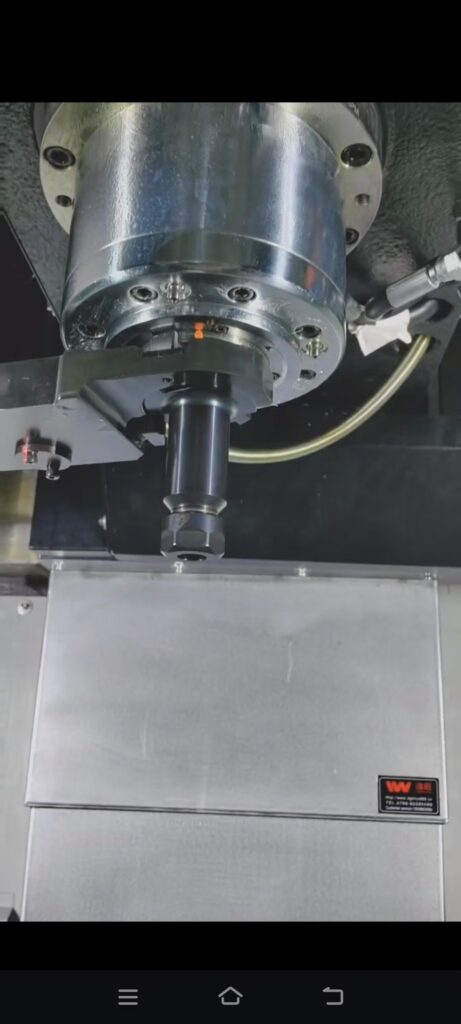
Cardinal Aspects in Long-Term Reliability
These challenges highlight the importance of three key aspects: selecting the right VMC configuration, optimising machining parameters, and maintaining a proactive maintenance strategy.
“Eventually, by addressing both the physical and operational limitations, manufacturers can achieve higher productivity, consistent accuracy, and long-term reliability,” recommends Kamffer.
On selecting the right VMC configuration, Kamffer states: “Our approach goes beyond supplying machines. We work as technical partners, helping clients choose the ideal solution for their specific production requirements. Our technical consultants assess part geometry, material type, production volume, accuracy requirements, and operator skill level to recommend the most suitable machine configuration, spindle power, and control system.”
KNUTH also considers workshop conditions, tooling standards, and automation goals. By matching machine capability with real-world applications, it helps prevent overloading, poor chip evacuation, and excessive thermal influence – all of which contribute to premature component wear and unplanned downtime. This helps clients keep their VMCs at peak efficiency.
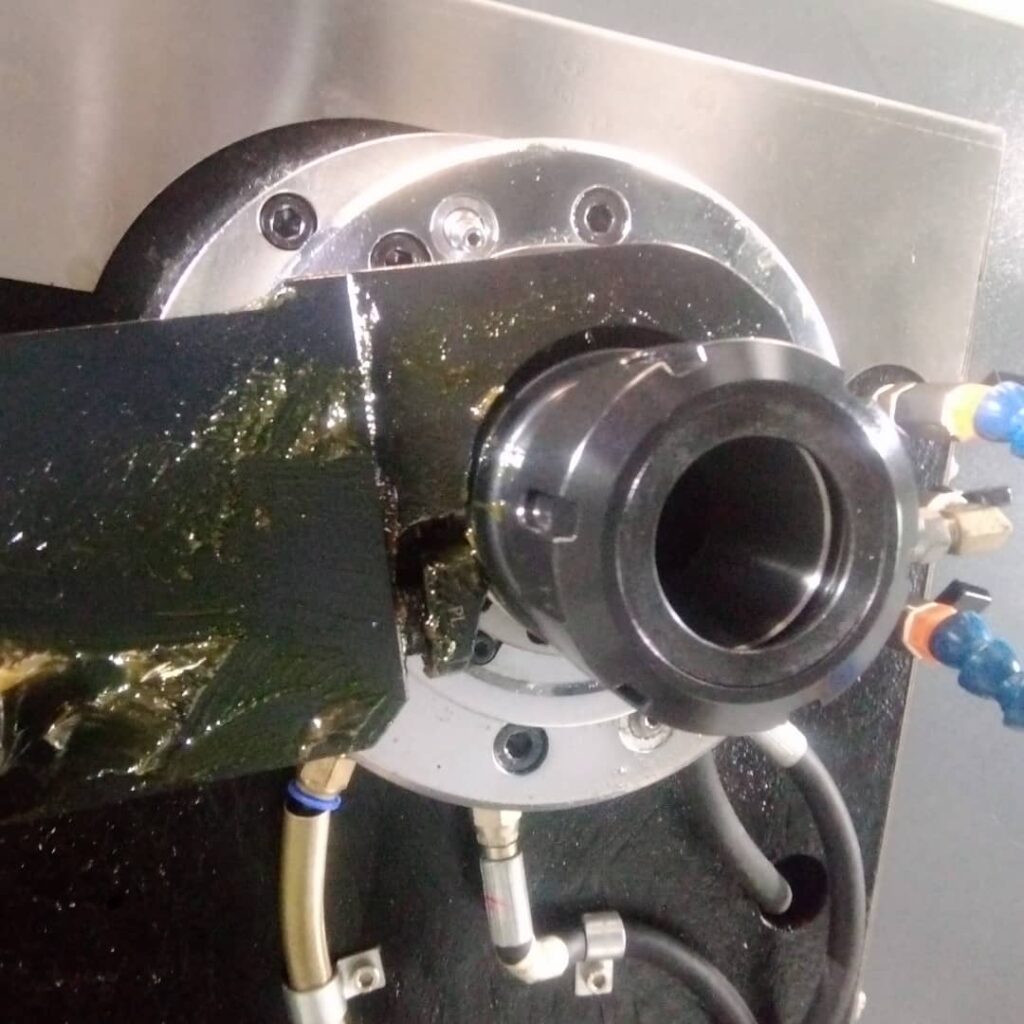
Aftermarket and Lifecycle Services
Maintaining peak performance and reliability throughout a machine’s lifecycle is equally important. In view of that, KNUTH offers a range of aftermarket and lifecycle services designed to maximise uptime, minimise unplanned downtime, and ensure consistent machining quality.
KNUTH’s Approach
KNUTH’s approach involves the following steps:
- Planned Services and Preventative Maintenance Programmes
Structured maintenance schedules tailored to each customer’s production cycle ensure wear components are inspected, serviced, or replaced before they impact performance.
“Regular maintenance not only extends machine lifespan but also helps maintain accuracy and reduces the likelihood of unexpected breakdowns,” Kamffer adds.
Structured maintenance schedules tailored to each customer’s production cycle ensure wear components are inspected, serviced, or replaced before they impact performance.
“Regular maintenance not only extends machine lifespan but also helps maintain accuracy and reduces the likelihood of unexpected breakdowns,” Kamffer adds.
- Condition and Performance Monitoring
Continuous equipment monitoring and diagnostic assessments allow KNUTH technicians to identify early signs of mechanical wear, vibration anomalies, or control system errors. This proactive approach ensures issues are addressed before they escalate.
- Technical Support and Remote Assistance
Service engineers provide both on-site and remote technical support. Remote diagnostics help customers resolve minor issues quickly, reducing downtime and service costs.
- Process Optimisation and Continuous Improvement
KNUTH partners with customers to improve overall machining performance. Toolpath optimisation, parameter refinement, and machine calibration help enhance productivity, part quality, and operational efficiency.
- Availability of Genuine Spare Parts
A robust inventory of original spare parts and consumables ensures fast delivery and compatibility for all KNUTH machines.
- Reducing Maintenance Issues: KNUTH’s Steps
KNUTH further reduces maintenance issues through:
• Comprehensive operator and maintenance training, ensuring correct setup, operation, and care from day one.
• Assistance with installation and commissioning, verifying alignment, calibration, and software setup for stable long-term performance.
• Ongoing technical support, giving customers access to expert guidance, performance monitoring, and continuous process improvement advice.
All in all, by combining proactive maintenance with technical expertise and responsive support, KNUTH ensures that customers’ VMCs operate at their best – reliably, efficiently, and with sustained precision over time.
“This approach ensures every KNUTH customer is not just equipped with a high-quality machining centre. They are empowered to maintain reliability, efficiency, and uptime across the entire lifecycle of their equipment,” Kamffer concludes, underlining the company’s commitment to keep CNC machines at peak efficiency at all times.
KNUTH’s Versatile Range
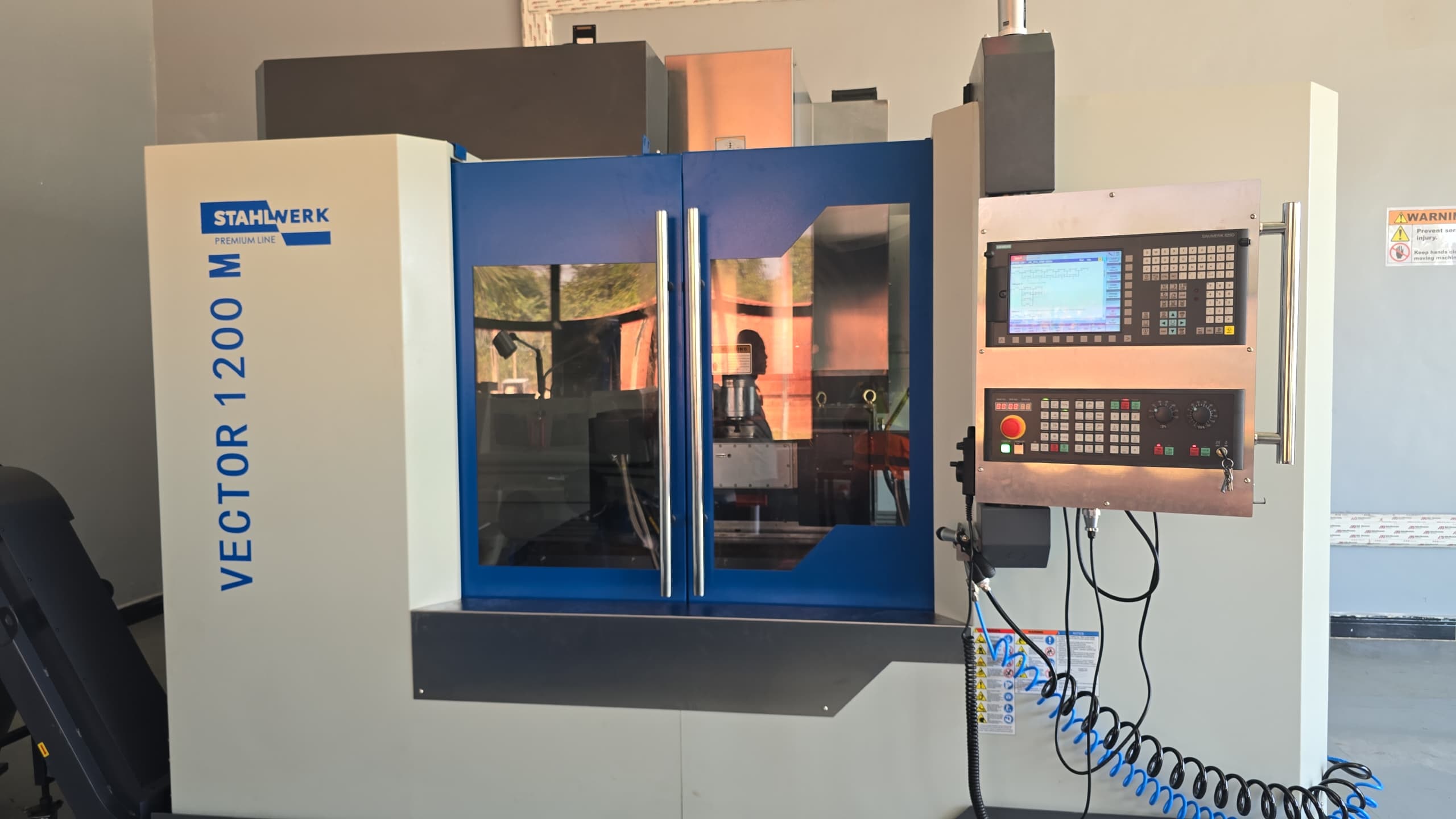
KNUTH offers a versatile range of VMCs, including the X.mill and Vector series. X-travel capacities range from 450 mm to 1400 mm, providing flexibility for both small precision parts and larger, complex components.
“Each model combines robust construction, high-precision spindle performance, and advanced control systems to ensure consistent accuracy and efficiency in demanding production environments,” Kamffer assures.