
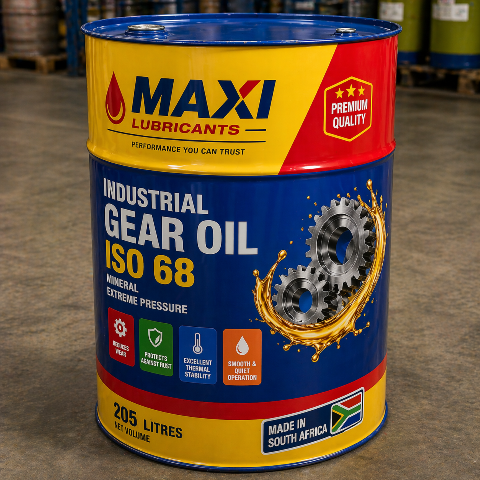

Naturally, rising global oil prices should be a major concern for maintenance managers in mining and heavy industry in Sub-Saharan Africa, both from energy cost and lubrication-centred reliability (LCR) perspectives. There could be a significant increase in upfront lubricant costs in the coming weeks, which Nico Bezuidenhout, Director of The Lube Guys, tells Machinery Maintenance Matters is a normal phenomenon. The Lube Guys is a Johannesburg-based supplier of multi-brand lubricants to the Sub-Saharan African market.
Impact of global oil prices on lubricant cost and supply
“Global oil prices and ongoing supply chain pressures have a direct impact on lubricant pricing, as both base oils and additive packages are closely linked to crude oil markets. When oil prices rise, lubricant costs typically follow, placing increased strain on maintenance budgets across industries,” he elaborates.
Besides increasing prices, supply constraints can result in extended lead times and scarcity of certain products, particularly specialised or OEM-approved lubricants.

So, to cope with these challenges, out of desperation, some companies could resort to using cheaper lubricant alternatives to reduce costs and meet their urgent needs. Unfortunately, although the lower upfront costs seem attractive initially, they don’t always deliver as much as desired in the long term, cautions Bezuidenhout. He indicates that there is a huge price to pay for downgrading from proven to untested brands.
Negative consequences
“Downgrading lubricants or using non-compliant, lower-specification products can have significant negative consequences for machinery performance and longevity. Typically, lubricants are specifically formulated to operate under defined conditions, including load, temperature, and contamination levels, and deviations from these specifications can compromise equipment integrity,” he states.

In a nutshell, the downside of cheap lubricant alternatives far outweighs any envisaged gains, even though they may appear to offer short-term cost savings. For instance, using inferior or non-compliant lubricants can increase machinery component wear and friction, reduce operational efficiency, increase operating temperatures, and ultimately accelerate component failure.
Prudence in Procurement
Given this scenario, Bezuidenhout advises organisations contemplating downgrading to cheaper non-compliant lubricant alternatives to exercise prudence in their procurement processes. “Avoid making lubricant decisions based purely on upfront cost considerations. While pricing remains an important consideration, it should not come at the expense of product quality or compliance.”
Instead, he suggests evaluating the total cost of ownership, by taking into account factors such as maintenance requirements, downtime risks, and the overall lifespan of equipment. This provides a more accurate measure of value.
By and large, balancing cost pressures with reliability requires a shift from short-term cost-cutting to long-term value optimisation.
Changing lubricants
Otherwise, it is critical to adhere to OEM specifications and to engage with trusted suppliers or technical specialists when considering lubricant changes, Bezuidenhout recommends. “Suppliers with access to multiple approved brands and formulations can often provide compliant alternatives where needed, without compromising performance or reliability.”
Securing lubricant supply certainty
Besides facing skyrocketing price concerns, in an environment where supply disruptions are a real possibility, Bezuidenhout sees a compelling case for companies to adopt a proactive and strategic approach to securing lubricant supply. “Flexibility is particularly important in sectors such as mining and heavy industry, where operations are often remote and downtime is costly.”
He says that in their procurement strategies, companies must have the flexibility to accommodate the following vital steps:
1. Partnering with Reputable Suppliers
Companies should partner with suppliers that have established distribution networks, strong relationships with major manufacturers, and the ability to source across multiple channels. Suppliers who manage logistics through to site and respond quickly to changing requirements offer a significant advantage in maintaining continuity of supply.
2. Visibility and Forward Planning
Visibility and forward planning are essential components of a resilient lubricant supply strategy. This means continuously monitoring consumption patterns, forecasting future demand, and aligning procurement practices accordingly.
3. Diversification of Supplier Base
Bezuidenhout advances key ways companies can diversify the supplier base to ensure product stock security.
“The first step is working with suppliers that offer a broad, multi-brand product portfolio. This can enhance supply security by reducing dependence on a single source and allowing greater adaptability in the face of market volatility or product-specific shortages.
“It is equally important to hedge against the risks of relying on a single supplier for OEM-approved lubricants. OEM-approved lubricants remain essential for maintaining equipment performance, reliability, and warranty compliance. However, over-reliance on one supplier can introduce unnecessary risk. Companies should work with partners that can provide multi-brand, OEM-compliant solutions, strengthening supply chain resilience without compromising standards.”
4. Long-term Supplier Agreements
Long-term supplier agreements play a vital role in maintaining continuity of supply, particularly during periods of market volatility. They support better planning, more stable pricing structures, and improved product availability. Such agreements also enable suppliers to work closely with customer operations and anticipate requirements more effectively.
5. Inventory Management
Effective inventory management is a critical safeguard against supply disruptions, says Bezuidenhout. “Companies should maintain appropriate stock levels of critical lubricants based on usage patterns and operational requirements.”
6. Contingency Planning
“Contingency planning is vital,” Bezuidenhout stresses. “This involves procurement and maintenance teams agreeing on suitable alternative products,” he explains, adding that suppliers can assist with forecasting and providing responsive replenishment support.
Significant difference
The above may not be comprehensive measures that companies can adopt and employ to mitigate the impact of high lubricant prices and supply shortages. However, if applied prudently, they make a significant difference, concludes Bezuidenhout.
Otherwise, falling for the temptation of short-term gain will certainly lead to long-term pain of machinery failure at the height of production. Clearly, if not well managed, saving on the cost of lubricants in the current environment can end up costing more.