

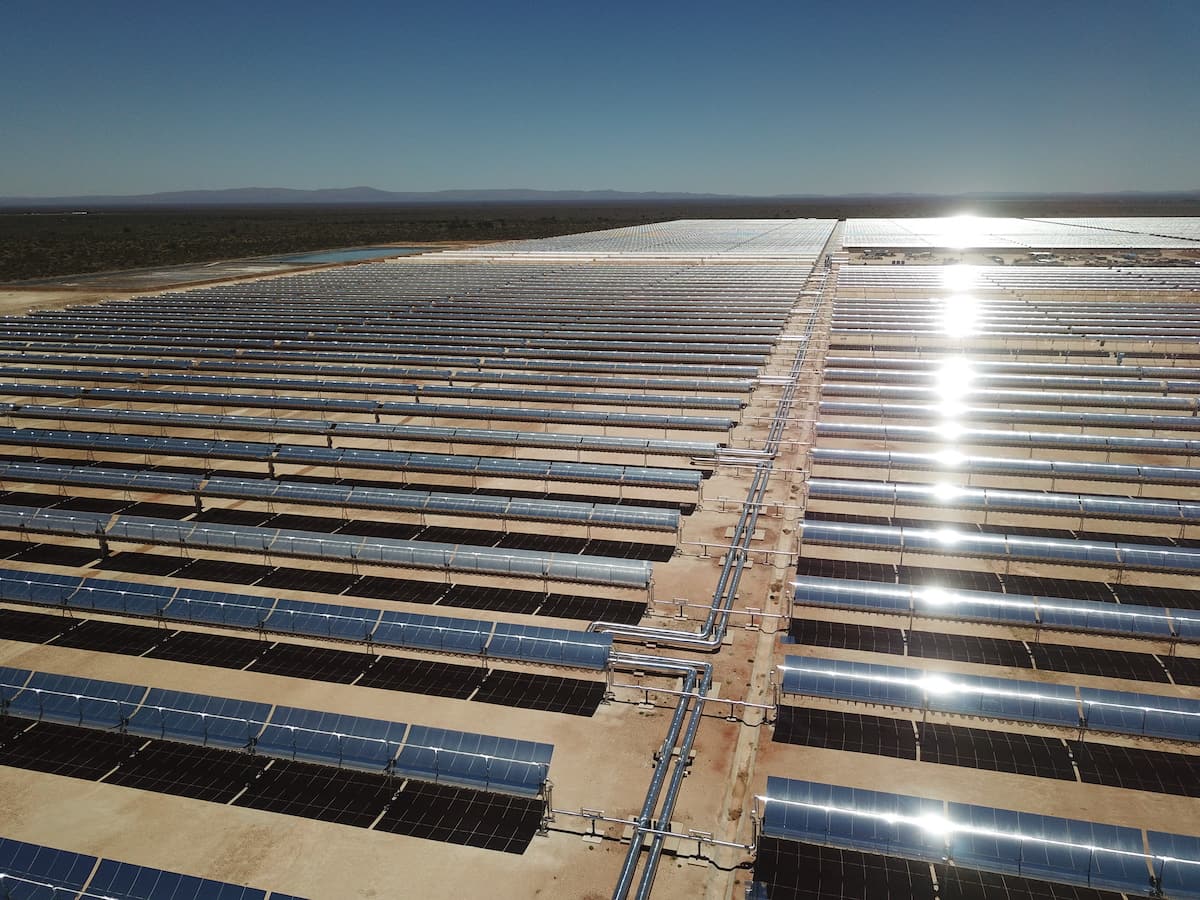

South Africa’s rapid solar PV expansion, rising electricity tariffs, and private sector investment, is presenting opportunities for local manufacturing of certain components. However, it also exposes critical gaps in the country’s ability to effectively localise manufacturing and fully capture the economic benefits of the energy transition, according to the South African Photovoltaic Industry Association (SAPVIA).
Recent industry estimates indicate that South Africa added between 2.5 and 3 Gigawatts of solar PV capacity in the past two years alone, with the majority coming from embedded generation commercial and industrial (C&I) installations, and increasingly, utility-scale private off-take market. At the same time, rooftop solar adoption surged in response to record levels of load shedding in 2023 and 2024, fundamentally reshaping the electricity market. The adoption trend later declined but the market is gradually increasing.
However, despite this rapid growth in demand, local manufacturing participation in the solar value chain remains limited, with most high-value components, such as PV modules, inverters and trackers and lithium batteries still imported.
“South Africa is experiencing a solar boom, but we are not yet fully translating that momentum into local industrial growth, especially in areas of the value chain where it makes sense to do so,” says Dr. Rethabile Melamu, CEO of SAPVIA.
“Without urgent policy alignment and a clear, consistent demand pipeline, industrial support interventions including but not limited to long-term commitment to provision of manufacturing and tax incentives the opportunity to build a competitive local manufacturing sector could slip away. It also goes without saying that a resilient industrialisation agenda should be underpinned by reliability and affordability of electricity, which currently remains work in progress. ”
SAPVIA was instrumental in the development of government initiatives like the South African Renewable Energy Masterplan (SAREM), aimed at linking renewable energy deployment with industrialisation and job creation. While these frameworks signal strong intent, SAPVIA has provided clear recommendations on components that South Africa is well-poised to competitively manufacture locally and to scale for local and potentially export.
While the Renewable Energy Independent Power Producer Procurement Programme (REIPPPP) remains a cornerstone of utility-scale deployment, the private off-take market is also taking off rapidly, however the speed of its implementation will be highly reliant of rapid deployment of grid infrastructure
“Manufacturers require certainty,” says Dr. Melamu.
“They need visibility on future demand over a 5- to 10-year horizon, procurement and policy certainty and stability justify the significant capital investment required for manufacturing facilities.
South Africa has made progress in developing local capabilities in balance-of-system components, including mounting structures, cables, and inverters. These segments have benefited from lower barriers to entry and alignment with existing industrial capabilities.
However, the country faces significant challenges in scaling manufacturing of higher-value components due to global competition, input costs, and infrastructure constraints.
SAPVIA emphasises that localisation must be approached strategically and pragmatically. Attempting to localise the entire value chain in the short term is neither feasible nor cost-effective. Instead, the focus should be on targeted segments where South Africa can build a competitive advantage and scale over time.
“The goal is not blanket localisation, but smart localisation,” notes Dr Melamu. “We need to identify where we can compete, where we can create jobs, and how we can integrate into regional and global value chains for that reason the current proposed of tariffs on components to be implemented gradually and cautiously, not to stifle energy security imperatives but strengthen local manufacturing and creating much needed jobs
In addition, growing renewable energy demand across the Southern African and broader African region presents an opportunity for South Africa to position itself as a regional manufacturing hub. Countries across the Southern African Development Community (SADC) are increasing their renewable energy ambitions, potentially unlocking additional scale for locally produced components.
“There is no trade-off between localisation and deployment if policy is well designed,” says Dr Melamu. “We can, and must, do both. But this requires coordination across energy, industrial, and trade policy, as well as strong public-private collaboration.”
SAPVIA is calling for a set of immediate actions to unlock progress, including:
· Greater policy certainty and alignment across government departments
· Targeted industrial incentives linked to realistic localisation goals
· Investment in skills development aligned with industry needs
· Improved infrastructure and logistics to support manufacturing competitiveness
“If we get the policy framework right, solar PV can drive inclusive growth, create jobs, and position the country as a leader in the regional energy economy,” says Dr Melamu.
SAPVIA continues to engage with government, industry, and financial stakeholders to advance practical solutions that enable both accelerated solar deployment and sustainable industrial development.
References
· https://www.greenbuildingafrica.co.za/south-africa-adds-1-1-gw-of-solar-in-2024/
· https://www.pv-magazine.com/2026/02/20/south-africa-adds-1-6-gw-of-solar-in-2025/