

There comes a point at which a machine no longer responds to even the best possible maintenance interventions. This is inevitable, a matter of when, not if.
When a machine’s underperformance begins to impact productivity, it becomes a major concern for fleet operators and contractors in mining and construction. At that stage, replacement often seems like the only option.
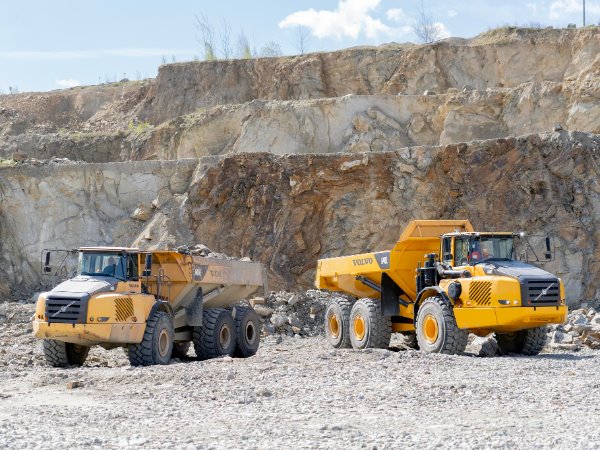
However, for owners of Volvo trucks, there is another path, a second chance. An underperforming machine can be refurbished to enhance safety and efficiency, and to reduce emissions, thanks to Volvo’s customised rebuild programme. Particularly, articulated haulers, wheel loaders and large excavators are well suited to rebuilds, as the cost of full replacement can be quite significant.

A certified rebuild reduces technical and financial risk, improves predictability, and typically lowers exposure to unexpected breakdowns
When a rebuild is feasible
While rebuilding presents a valuable opportunity, it is most effective when the machine is at midlife. “Before major failures, typically between 14,000 and 20,000 operating hours, depending on application and maintenance, a proactive rebuild delivers the best economic and technical outcome. With a rebuild, you can restore a machine to a high-performing and reliable state without the financial burden of buying new or even used equipment,” affirms Andreas Olsson, Product Manager of the Rebuild Programme at Volvo Construction Equipment (VCE) Europe and International. .

When the machine has a sound structure, the rebuild can be comprehensive, using certified processes and Volvo Reman or new components, and can be completed at a cost significantly lower than that of buying a new machine.
Engineering reliability
The engineering approaches employed in the rebuilding process are geared towards improving reliability. These include complete system renewals, the use of remanufactured or new certified components, engineering updates, and final testing and quality validation.
The process is thorough.
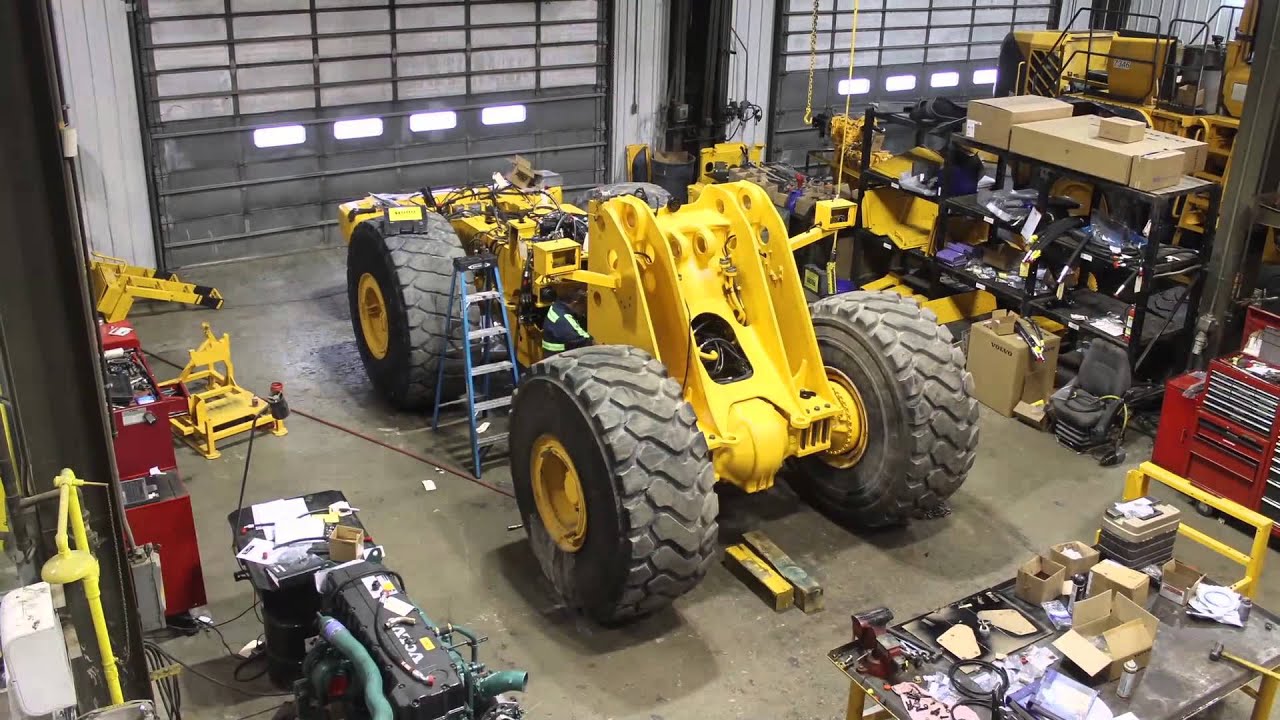
Before any rebuild, trained Volvo technicians carry out a detailed health check of the machine. From there, they work closely with the machine owner to recommend the appropriate scope of work. This includes the key decision of whether to proceed with a powertrain overhaul or a full-scale rebuild with structural restoration, a renewed cab, and retrofitted upgrades.
With proper planning and scheduling, a typical rebuild takes around twelve weeks. To meet this target, Volvo ensures that components and parts are ordered in advance, so there are no surprises or delays once the machine is in the workshop.
Significant payback
When completed to Volvo’s stringent factory-approved standards, there is significant payback for rebuilding, says Olsson, outlining the following benefits:
i. TOTEX gains
In the current environment, TOTEX, defined as total cost of ownership across CAPEX and OPEX, is a major concern for mining companies. A rebuild contributes to optimising overall machine lifecycle costs. “A rebuild avoids full replacement CAPEX, reduces downtime, converts failures into planned costs, and lowers cost per operating hour over two life cycles,” explains Olsson.
ii. Warranty
Volvo offers a warranty on rebuilds. This includes extended coverage of up to 5 years or 7,000 hours, whichever comes first, and 2 years or 6,000 hours on all Volvo genuine replacement parts.
iii. Increased asset value and reduced unexpected breakdowns
A certified rebuild reduces technical and financial risk, improves predictability, and typically lowers exposure to unexpected breakdowns. From a machine breakdown insurance perspective, this can also result in more favourable insurance costs.
iv. Environment
There are considerable environmental benefits derived from the programme. “By reusing large structural components and restoring major systems, rebuilds significantly reduce the energy, raw materials, and transport emissions associated with buying new equipment. For example, rebuilding a used engine can save up to around 56% in CO₂ emissions compared to producing a new one. When considering the copper, aluminium and bronze built into every large machine, the gains become even more significant,” notes Olsson.
In the end, contractors and fleet managers are left with an asset that meets their operational needs, one that is reliable, available as and when required, and supports compliance with relevant legislation.


