


Equipment failure in industrial environments is rarely sudden. It follows a series of small decisions made to keep the business moving. During periods of volatility in lubricant and coolant prices and uncertainty around supply, those decisions begin to take their toll.
Geopolitical developments over the past several weeks have added to the pressure on already fragile global supply chains. Disruptions linked to the conflict in Iran have contributed to sharp movements in crude and base oil markets. There are daily reports of significant supply losses and increased strain on key shipping routes such as the Strait of Hormuz. Physical crude prices have spiked, carrying knock-on effects for base oils and finished lubricants.
That same pressure is not limited to lubricants. Coolants are exposed to the same forces. The reason is straightforward. The primary component in most engine and industrial coolants is mono ethylene glycol (MEG), which is derived from crude oil. When crude markets move, the cost and availability of MEG moves with them.
Excessive stockholding ties up capital, but insufficient stock leaves operations exposed. The right approach is to hold smarter.
The supply chain runs deeper than most people realise. From crude extraction through to naphtha, ethylene, and ultimately MEG, every stage is exposed to the same disruptions affecting base oils. The Middle East plays a central role in both crude and petrochemical production. This means that any instability in the region affects both lubricant and coolant supplies simultaneously.

That exposure is already feeding through into operations. Prices are moving with crude volatility, and lead times are becoming less predictable as feedstock tightens. Operations that depend on both lubricants and coolants — from engine systems and heat exchangers to compressors and temperature-sensitive circuits — are starting to feel the strain. The response is familiar.
The consequences are not immediate, but they are predictable. Higher operating temperatures, increased wear, corrosion, and contamination begin to build up. Over time, that leads to system damage that far outweighs any short-term savings. Lubrication and coolant management are technical disciplines. Treating them as procurement variables is where the real risk starts.

Anyone who has worked in lubricant and coolant supply chains will recognise this pattern. We have seen versions of this before, whether during COVID-related disruptions or previous periods of geopolitical instability. What tends to change is not only price, but availability, lead times, and the predictability of supply. The real risk, however, is not the price increase itself. It is how organisations respond to it.
Lubricants and coolants are part of the system, not just something consumed along the way. When either is compromised, the effect accumulates over time through increased wear, higher operating temperatures, and unmanaged contamination. By the time it becomes visible in operations, the cause is often no longer obvious, and the damage has been done.
We see this most clearly in environments where equipment operates under continuous load. A marginal change in lubrication or cooling performance may not cause failure in the short term, but over time it can lead to increased wear, reduced efficiency, and unplanned downtime. In many cases, the cost of that downtime far exceeds any short-term saving achieved through product substitution or delayed maintenance.
This is why periods of supply volatility require a different kind of discipline. From a maintenance perspective, the first step is to identify which lubricants and coolants are critical to operations and where there is limited tolerance for deviation. Not all products carry the same level of risk, and understanding that distinction is essential.
Secondly, acceptable alternatives should be evaluated and approved in advance. Waiting until a product is unavailable to assess substitutes introduces unnecessary risk. Technical compatibility, OEM requirements, and application conditions all need to be considered upfront.
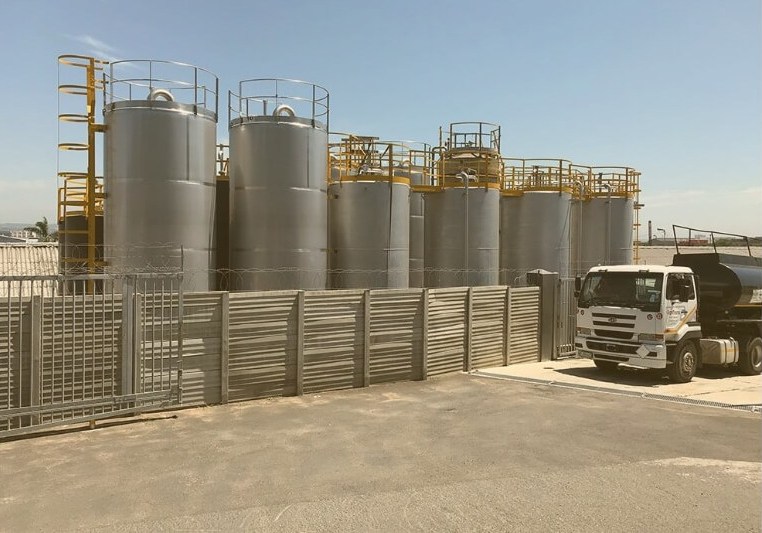
From a supply chain perspective, collaboration becomes more important. Working closely with suppliers to understand lead times, availability, and potential constraints allows for more informed decision-making. In some cases, this may involve holding strategic stock of key products, even when there is pressure to reduce inventory and preserve cash.
Of course, a balance must be struck. Excessive stockholding ties up capital, but insufficient stock leaves operations exposed. The right approach is to hold smarter.
At a broader level, these conditions reinforce the reality that maintenance reliability is directly linked to supply reliability. When lubricant and coolant availability become uncertain, even well-run maintenance programmes are forced into reactive decision-making. Consistent, predictable supply is a prerequisite for maintaining equipment reliability under pressure.
Lubricant shortages and price volatility are not new challenges. It is the context in which they occur and the speed at which they develop. Those organisations that are successful during times like these can maintain their operational discipline under pressure. They understand the role that lubrication and cooling play in equipment reliability and resist the temptation to treat them as variable costs that can be adjusted without consequence.
Mark Pretorius is MD at Lubrichem