
A bearing, gearbox, hydraulic system or mobile asset may appear mechanically sound, but poor lubrication practices can quietly accelerate wear, contamination and unplanned failure.
That’s why WearCheck’s Lubrigard addresses this challenge, helping customers keep lubricants clean, dry and effective for longer, reducing unnecessary oil changes, waste-oil disposal and avoidable maintenance costs.
This is achieved through a targeted range of products and services that support smarter lubrication, lower costs and improved equipment performance for on-site and remote condition monitoring.
Lubrication is no longer a routine consumable activity in modern machinery maintenance environments – rather, it has evolved into a key reliability strategy. For mines, manufacturers, transport operators, utilities, food producers and heavy industrial plants, lubricant condition directly affects equipment availability, maintenance cost, energy efficiency and asset life.
Condition monitoring specialist company, WearCheck, operates a dedicated lubrication management and Lubricant-Enabled Reliability (LER) division, under the Lubrigard banner.
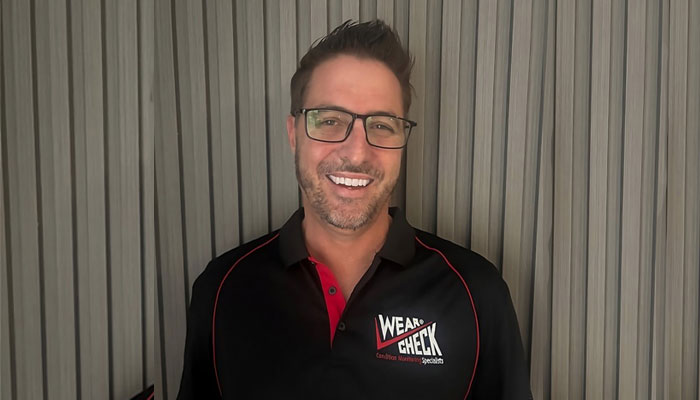
Chris Hattingh, Lubrigard division manager for WearCheck, is a staunch advocate of boosting machinery uptime with a solid, strategic lubrication plan. He describes how a bearing, gearbox, hydraulic system or mobile asset may appear mechanically sound, but poor lubrication practices can quietly accelerate wear, contamination and unplanned failure.
Hattingh explains that Lubrigard helps customers keep lubricants clean, dry and effective for longer, reducing unnecessary oil changes, waste-oil disposal and avoidable maintenance costs. This is achieved with a targeted range of products and services designed to support smarter lubrication, reduce costs and improve equipment performance.
While WearCheck’s core business is laboratory-based condition monitoring, including used oil analysis, fuel analysis, coolant analysis, transformer oil analysis, water testing and related asset reliability services, the company also provides LER services as part of its broader reliability offering. This allows customers to combine laboratory insight with practical interventions in the field.

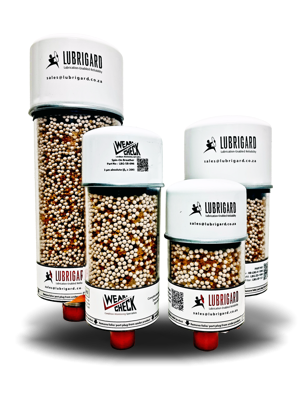
Lubrigard desiccant breathers help protect gearboxes, hydraulic systems and lubricant reservoirs by reducing moisture and particulate contamination, supporting cleaner oil and improved equipment reliability.
‘Traditional oil analysis answers vital questions,’ says Hattingh. ‘These include – what is happening inside the machine? What contaminants are present? Is the lubricant is still fit for use? However, Lubrigard takes this a step further by helping maintenance teams control the conditions that caused those results in the first place.’
‘Lubrigard adds an extra dimension, investigating practical issues such as:
- Is the right lubricant being used?
- Is it stored and dispensed correctly?
- Is it being kept clean and dry?
- Are breathers, filters and transfer systems protecting the asset?
- Are samples being taken consistently and from the correct point?
- Are findings being translated into action before failure occurs?
‘Thus, Lubrigard serves as a bridge between the laboratory report and the plant floor. We generate a step-by-step, tailored lubrication-management plan for each customer, which optimises the lubrication systems for their operation.’
Keeping lubricants clean, dry and effective
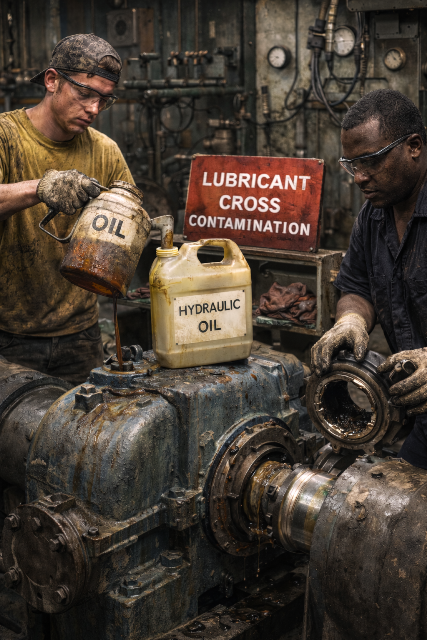
Mechanical reliability is consistently plagued by contamination threats – dirt, moisture, incorrect lubricant mixing and degraded oil all increase risk. Even small particles can damage highly loaded surfaces, interfere with hydraulic control and accelerate component wear. Water contamination can reduce film strength, encourage corrosion and shorten lubricant life.
‘At Lubrigard, we tackle these risks directly,’ says Hattingh. ‘Our curated product and service offering includes filtration solutions, breathers, adapters, sampling valves and other products aimed at improving fluid management and contamination control. These tools help maintenance teams implement lubrication best practice and support longer equipment life.’
‘Often, the biggest gains are not achieved by changing lubricant brands, but by improving the way lubricants are handled, stored, filtered and monitored.’
WearCheck adds real value where assets are remote, critical or difficult to access. Mines, quarries, wind farms, cement plants, logistics fleets and rural industrial sites often operate far from central technical support.
The company supports both on-site and remote reliability programmes. On site, Lubrigard technicians can assist with lubrication audits, sample-taking, filtration, breather replacement and scheduled lubrication-related maintenance actions.
Hattingh explains that lubrication failures are rarely isolated. ‘A contaminated hydraulic system can affect production quality. A gearbox failure can stop a conveyor. A poorly maintained mobile fleet can create a backlog of delayed work. Reliable lubrication therefore improves more than component life – it supports total production efficiency.’
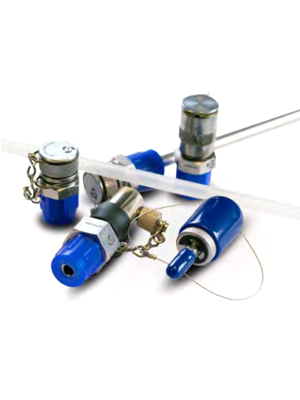
Lubrigard implements practical condition monitoring improvements such as installing sampling valves for repeatable oil samples, which reduces the chance of sample contamination
Reliability across industries
‘Although lubrication problems are universal,’ says Hattingh, ‘their consequences vary by sector. For example, in mining, Lubrigard helps protect expensive yellow-metal assets, crushers, conveyors, gearboxes and hydraulic systems operating in dusty, high-load environments. Clean lubricant management can reduce premature component replacement and improve machine availability.
‘In manufacturing, where downtime affects production schedules and customer delivery, better lubrication control can stabilise plant performance and reduce emergency maintenance.
‘In transport and logistics, fleet operators benefit from cleaner fuel and lubricant systems, improved sampling discipline and early detection of wear trends. We have structured Lubrigard’s LER services to focus on FLAC (fuels, lubricants, air and coolants) – all of which are critical to mobile equipment health.
‘In power generation and heavy industry, lubricants support turbines, gearboxes, pumps, compressors and auxiliary systems. Lubricant cleanliness, water control and correct filtration can prevent minor oil-condition issues from becoming plant-level reliability risks.
‘In agriculture and construction, equipment is often exposed to heat, dust, intermittent use and remote operating conditions. Lubrigard’s approach helps ensure that oil, fuel and coolants are managed proactively rather than only investigated after breakdown.’
The broader LER ecosystem
Lubrigard is not limited to oil alone but also extends to coolant health. WearCheck supports coolant monitoring through analysis of pH, glycol levels, corrosion inhibitors and contamination. Regular sampling from radiators and reservoirs helps identify risks early and maintain effective coolant performance.
Filtration is another major component of Lubrigard’s LER.
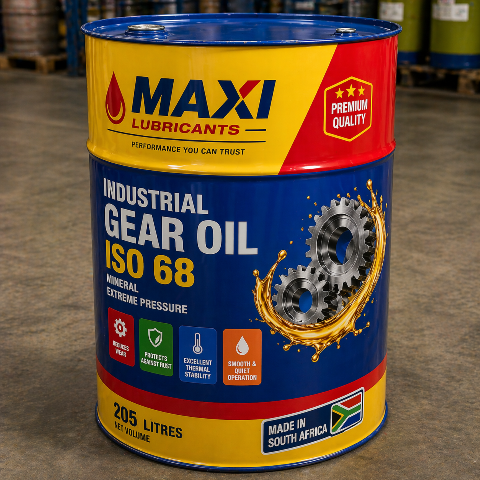
The correct lubrication for machine components plays a key role in keeping equipment healthy, reliable and operating smoothly, Lubrigard helps customers select appropriate lubricants and advises on additives, to minimise maintenance costs and maximise operational output.
This holistic approach is effective – laboratory testing identifies the condition; Lubrigard products and services help correct and prevent the condition; and trending confirms whether the intervention worked.
Better data – better decisions
WearCheck encourages maintenance teams to treat lubrication as measurable and manageable. Rather than relying on fixed oil-change intervals alone, customers can make decisions based on actual oil condition, contamination levels, operating severity and asset criticality.
This laboratory-test data, coupled with Lubrigard’s guidance on lubrication management and an effective LER strategy, results in fewer unnecessary oil changes, reduced waste oil, longer lubricant life, improved component protection, lower risk of sudden failure, better planned maintenance, improved uptime and availability and stronger environmental performance.
Hattingh advises that keeping lubricants effective for longer reduces the need for frequent oil changes, saves costs and lowers the environmental impact of waste-oil disposal.
A practical LER roadmap
A typical Lubrigard programme begins with a lubrication audit to identify gaps in storage, handling, filtration, sampling and lubricant selection. This is followed by a prioritised action plan, focusing first on critical assets and high-failure areas.
Hattingh outlines key LER-strategy steps:
- Review lubricant selection and compatibility.
- Improve storage and dispensing practices.
- Install correct breathers, filtration and sampling points.
- Set cleanliness and moisture targets.
- Establish sampling frequencies by asset criticality.
- Trend laboratory results over time.
- Take corrective action before failures occur.
- Review outcomes and refining the programme.
This structured approach helps maintenance teams avoid the common trap of collecting oil samples without changing the behaviours that cause poor results.
Reliability culture
‘Lubrigard is a practical value-add that does not replace oil analysis; it strengthens it. We do not merely sell products – rather, we support the reliability discipline that ensures lubricants perform as intended.
In industries where downtime is expensive and skilled maintenance resources are stretched, Lubrigard offers a route to better control. By combining WearCheck’s diagnostic expertise with lubrication products, services and field support, customers can protect equipment, extend lubricant life and improve availability.
Hattingh emphasises that reliability does not begin when a component fails. ‘It begins with clean, dry, correctly selected and well-managed lubricants, and with the data to prove they are doing their job.’
50 years on, WearCheck is still helping industry reduce friction – in machines and in maintenance planning and lubrication management. Please visit https://Lubrigard.co.za for more information, or email Chris Hattingh at chrish@Lubrigard.co.za or call: +27(0) 83 625-0808