

Diesel powers the backbone of our economy. Trucks, tractors, mines, generators, factories—if it operates, it is likely to run on diesel. Yet that essential fuel has become a prime target for criminal syndicates exploiting a dangerous chemical loophole.
By Rivendren Moodley
Chemically Similar, Mechanically Devastating
Fuel adulteration is the deliberate blending of an unauthorised substance into diesel to increase volume and pocket the price difference.
Paraffin is the adulterant of choice because both fuels are petroleum-derived hydrocarbons with overlapping boiling ranges; therefore, they mix seamlessly, leaving no visible trace. The fraud is invisible until the damage is done.
The Margin in the Mixture
The economics are simple and devastating. Because paraffin carries a lower tax burden than diesel, criminal operators blend the two, sell the mixture at the full diesel price, and pocket the difference.
This industrialised fraud costs government an estimated R3.6 billion in lost tax revenue annually, while legitimate suppliers are undercut and equipment owners inherit the repair bill.

Your Injectors Find the Fraud. Your Wallet Pays for It
Modern common-rail engines operate at injection pressures exceeding 2 000 bar. At these tolerances, diesel must do more than burn—it must lubricate and cool precision injectors and high-pressure pumps.

Paraffin is lighter and far less lubricating. Even a modest blend accelerates wear on components with micron-level clearances, leading to injector sticking, poor spray patterns, pump failure, rising fuel consumption, emissions faults, and premature engine failure.
Because fuel-related damage is routinely excluded from manufacturer warranties, the equipment owner absorbs every cent.
The Invisible Threat
Adulterated diesel is visually indistinguishable from normal diesel. Standard tests for density, viscosity, and flash point offer clues, but syndicates now use additives specifically to mask these changes, allowing blended fuel to pass specification tests while still destroying the engine it enters.
• SARS-mandated chemical markers in paraffin offered a temporary solution until syndicates chemically removed them.
• More advanced markers proved too expensive for routine use.
• Unmarked imported paraffin bypassed the system entirely.
SANS 342:2025 now classifies adulterants as an undesirable component that can cause harm to a system. However, regulation only defines the problem; it does not detect it.
The Test That Closes the Loophole
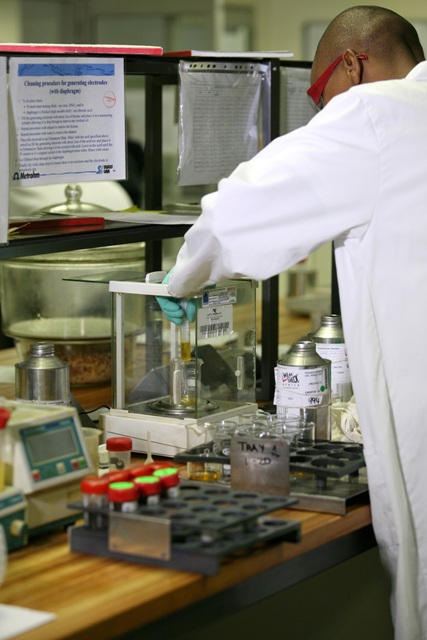
WearCheck has launched a testing service that does what previous methods could not—it identifies paraffin in diesel directly, independent of markers, origin, or masking additives.
Accessible enough for routine use across fleets, farms, mines, and fuel distributors, it turns proactive screening from a costly exercise into a practical reality.
Because the most effective weapon against fuel fraud is not regulation—it is a test the syndicates cannot beat.
For the full technical article or to enquire about fuel testing, visit www.wearcheck.co.za or call +27 (31) 700-5460.
Rivendren Moodley is diagnostician at WearCheck