

In data centres, maintenance practices are evolving beyond simply completing work to demonstrating that critical work has been carried out correctly. Digital bolting technologies support this shift by combining precision torque application with verifiable maintenance records,
A single leaking flange in a data centre cooling circuit can do far more than waste water. It can interrupt cooling, threaten sensitive electrical equipment and, in the worst-case scenario, contribute to unplanned downtime. Preventing such failures often depends on one overlooked element: the integrity of bolted joints.
As cloud computing and artificial intelligence continue to drive investment in larger, higher-density data centres, the reliability of mechanical infrastructure is becoming just as important as electrical resilience and cybersecurity. Cooling systems, backup generators and associated pipework all rely on thousands of bolted connections that must maintain their integrity throughout the life of the facility.

Why Traditional Bolting Methods Fall Short
Although bolted joints are often regarded as routine maintenance items, achieving the correct bolt preload remains one of the most important factors in preventing flange leaks. The challenge is not simply tightening bolts, but ensuring that every critical joint is assembled consistently, verified and properly documented.
Traditional bolting methods can make this difficult. Variations in torque application may result in uneven bolt loading, while paper-based records or manual processes provide limited evidence that a joint has been tightened to specification. Industry guidance such as ASME PCC-1 reinforces the importance of controlled bolting procedures to achieve consistent joint performance.
As data centre operators place greater emphasis on quality assurance, asset integrity and maintenance traceability, many are looking beyond conventional torque tools towards digitally enabled bolting technologies.
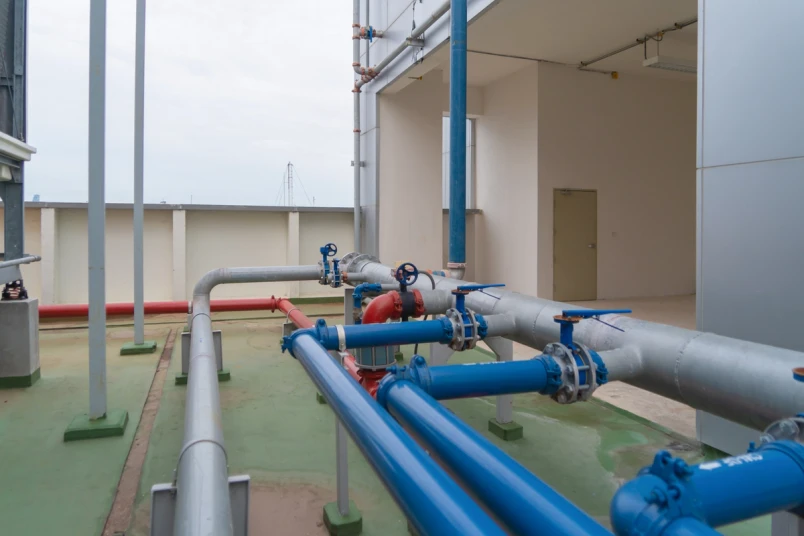
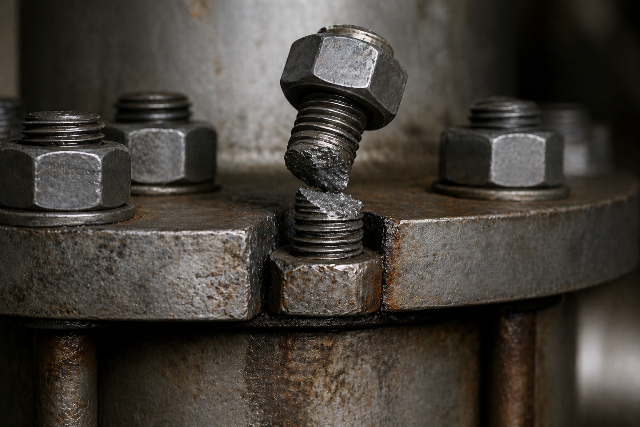
With traditional bolting methods, variations in torque application may result in uneven bolt loading
Digital Bolting Improves Traceability
Modern digital bolting systems combine controlled torque application with electronic data capture. Rather than simply tightening bolts, these systems generate a permanent digital record of every critical joint, allowing maintenance teams to verify installation quality, improve traceability and simplify maintenance documentation.
The result is greater confidence that critical mechanical connections have been assembled correctly and can be verified throughout the operating life of the facility.
HYTORC Applies These Principles
One company applying these principles is HYTORC.
Its digital bolting platform combines the LITHIUM SERIES II electric torque wrench with the HYTORC Connect App, enabling technicians to apply controlled torque while automatically capturing tightening data. Each bolted joint is electronically documented, providing maintenance teams with a verifiable record for quality assurance, inspections and future maintenance activities.
HYTORC complements the system with technologies such as the TRUE-LOCK Reaction Washer, which is designed to reduce reliance on conventional reaction arms. This can simplify torque application in confined mechanical rooms while helping technicians achieve more consistent bolt loading.
A Practical Maintenance Example
The benefits are particularly evident during maintenance of chilled water cooling circuits. A planned shutdown may require technicians to dismantle and reassemble dozens of flanged joints before the system is returned to service.
By recording torque values electronically during reassembly, maintenance teams can verify that each connection has been tightened to specification before recommissioning the system. Should a leak occur later, the recorded data provides valuable information for troubleshooting, maintenance audits and root cause analysis.
From Tightening Bolts to Verifying Asset Integrity
As data centres continue to expand in scale and complexity, maintenance practices are evolving beyond simply completing work to demonstrating that critical work has been carried out correctly. Digital bolting technologies support this shift by combining precision torque application with verifiable maintenance records, helping operators strengthen reliability, improve maintenance confidence and reduce the risk of unplanned downtime.
Information credits: Sourced from an article originally published by Hytorc Marketing and adapted for Machinery Maintenance Matters