

Saudi Aramco is placing greater emphasis on maintenance planning as oil and gas infrastructure faces increased risks from attacks, supply disruptions and other threats.
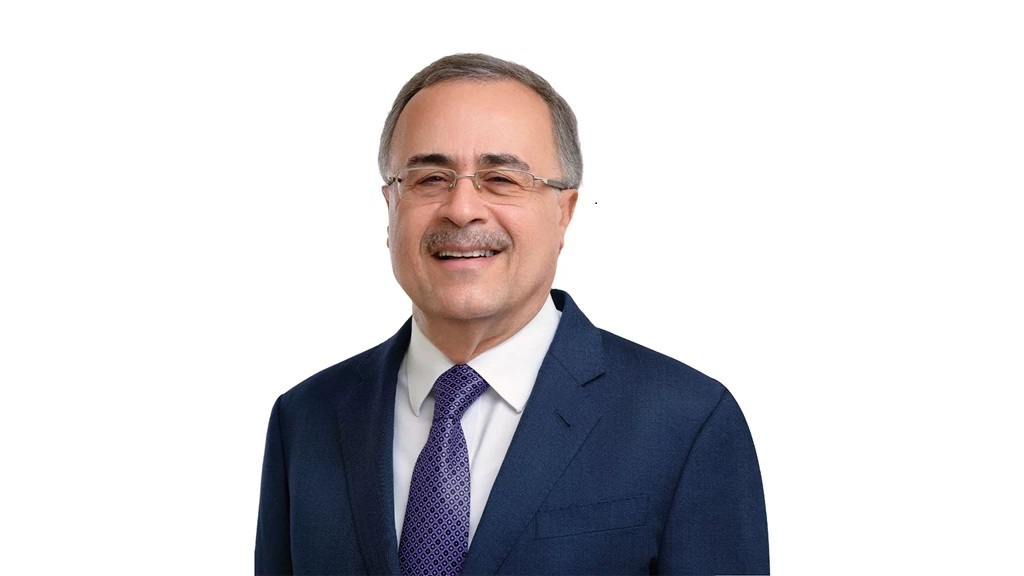
Amin H. Nasser, President and CEO of Aramco, addressed the issue at the 2026 Energy Intelligence Forum in London on 5 October 2026.
Risks to Oil and Gas Infrastructure
Nasser said the prolonged disruption around the Strait of Hormuz and attacks on infrastructure had raised the risk baseline for the energy industry.
He referred to attacks on Aramco facilities, as well as developments in the Gulf of Oman, the Red Sea and the Bab al-Mandab Strait.
These incidents can damage production, processing, storage and export facilities. They can also increase equipment downtime and create urgent requirements for inspection, repair and replacement.
Supply-chain disruption presents another risk. Maintenance and repair work can be delayed if critical components, materials or specialist services are not available when needed.
Nasser also warned about cybersecurity risks. He said open data, including satellite imagery and shipping logs, is increasingly being used against infrastructure and tankers.
Maintaining Operations During Disruption
For Aramco, maintaining critical infrastructure requires preparation before an incident occurs as well as a rapid response afterwards.

Nasser said the company’s approach includes “separating our critical facilities; building in backup equipment; planning for maintenance; emergency command and firefighting excellence; rapid damage assessment; and restoring damaged infrastructure at pace.”
Maintenance planning is therefore directly linked to the company’s ability to keep critical facilities operating and return damaged assets to service.

Backup equipment can reduce the consequences of equipment failure or damage. Planned maintenance can identify and address equipment problems before they result in failure. Rapid damage assessment can establish what needs to be repaired or replaced after an incident.
Materials for Repairs
Access to materials is also important when damaged infrastructure has to be repaired.
Nasser said Aramco’s local supply chain provided more than 90% of the materials used in asset restoration.
A local supply base can reduce dependence on long-distance deliveries when equipment or infrastructure needs urgent repair.
Long-Term Maintenance and Investment
Nasser also criticised “cyclical under-investment” and called for greater investment in the systems needed to maintain energy security.
For maintenance departments, this means continuing to spend on existing infrastructure rather than focusing investment only on new projects. Equipment condition, maintenance requirements and the ability to restore assets after damage all have to be considered over the operating life of a facility.
Nasser said, “Aramco’s resilience was not built overnight. It was there when we needed it because previous generations had the foresight to build, maintain, and strengthen it.”
His comments put maintenance alongside equipment redundancy, emergency response, damage assessment and repair as measures Aramco uses to reduce the operational consequences of disruption.