
Schneider Electric has introduced TeSys Tera, its next-generation intelligent motor management system, to the South African market. The system was officially unveiled at the company’s Midrand head office in Gauteng.
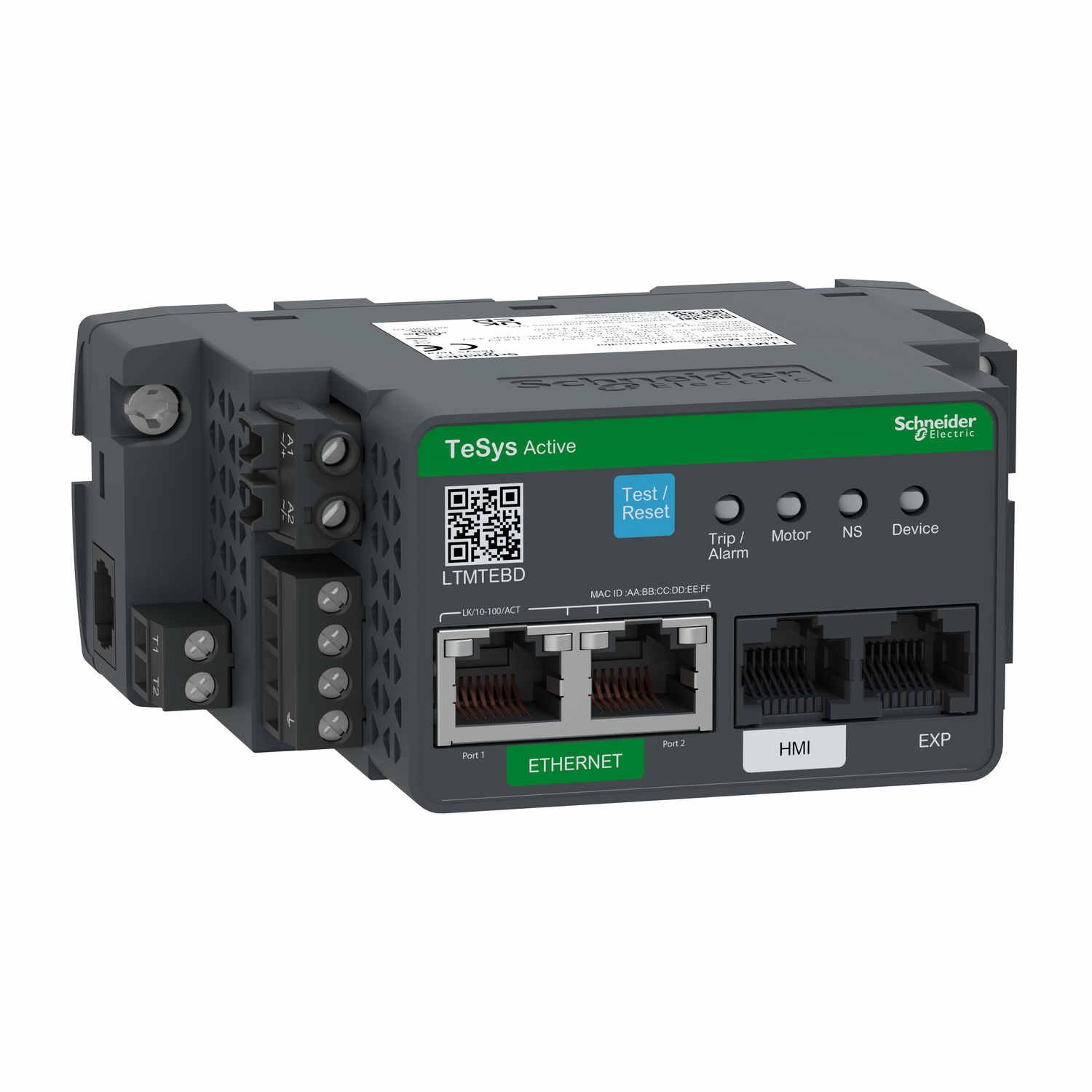
TeSys Tera integrates motor protection, control and monitoring, with the aim of reducing equipment failures, energy consumption and premature asset replacement across industrial applications.
An estimated 500 million motors are in operation worldwide. Schneider Electric estimates that up to 15% of motor failures are attributable to inadequate protection, potentially resulting in tens of millions of motor replacements annually.
TeSys Tera combines motor protection, monitoring and control with diagnostics, analytics and connectivity.
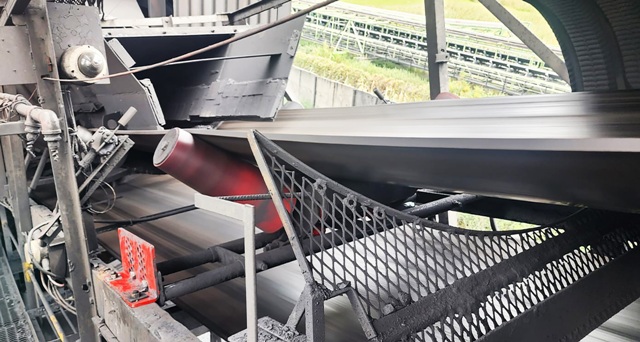
The system is relevant to South Africa’s mining, minerals and metals (MMM) sector, where electric motors are used in processes ranging from material handling and crushing to pumping, ventilation and other essential operations.
Traditional motor protection systems typically focus on responding to electrical faults. TeSys Tera also collects and analyses information from the motor and its operating environment, providing maintenance and operations teams with information on motor performance and operating conditions.
This information can help operators identify potential problems earlier and investigate them before they result in equipment failure or unplanned production interruptions.
“Mining operations depend on motors to keep critical processes running. A motor fault can have consequences far beyond the individual asset. With TeSys Tera, operators have greater visibility into motor performance and, importantly, earlier insight into potential problems,” says Christophe Begat, Vice President, Industry and Segments, Sub-Saharan Africa at Schneider Electric.

TeSys Tera: operational functions
The system incorporates several functions relevant to motor management in mining and mineral processing operations:
- Motor protection: Provides protection against overloads, stalled or locked rotors, phase imbalance and other electrical conditions that can cause equipment damage and operational disruption.
- Fault identification: Pre-trip alarms, diagnostics and real-time operating data provide information on developing problems, allowing maintenance and operations teams to investigate before a motor fault results in an unplanned production stoppage.
- Motor performance monitoring: Combines motor protection, monitoring, control and connectivity to provide information on equipment performance, energy consumption and operating conditions.
Technical specifications
TeSys Tera incorporates the following technical features:

- Motor coverage: Manages single- or three-phase AC induction motors up to 100 A (integral sensor) and up to 810 A (external CTs).
- Scalable loads: Supports applications ranging from standard motors to large, critical process assets.
- Modular design: Expandable via digital/analogue I/O modules, with a compact form optimised for in-drawer installations.
- Flexible deployment: Suitable for new projects or the modernisation of existing motor control set-ups.
- Performance monitoring: Tracks current, voltage, power, energy, power factor, frequency, temperature and THD.
- Protection functions: Covers thermal overload, locked/stalled rotor, phase imbalance/loss, earth fault, overcurrent/undercurrent, overvoltage/undervoltage and overpower/underpower conditions.
- Event logging: Records trips, alarms and operating statistics, including running hours, start/stop counts and motor starting characteristics.
- Connectivity: Links motor-level data to automation systems using Modbus RTU, PROFIBUS DP, EtherNet/IP and Modbus TCP.
- Control options: Supports local HMI, PLC or DCS integration for monitoring and control.
- Digital architecture: Connects motor protection and monitoring functions to automation systems.
- Software configuration: Configured and monitored via SoMove software and supported by Schneider Electric’s tested, validated and documented architectures.