

“Business continuity is moving from a box-ticking exercise to a commercial advantage. More procurement and operations teams are looking for a safety net, not just a supplier. They want assurance that if one production partner has an issue, there is a credible second option ready to step in and keep volumes moving.”
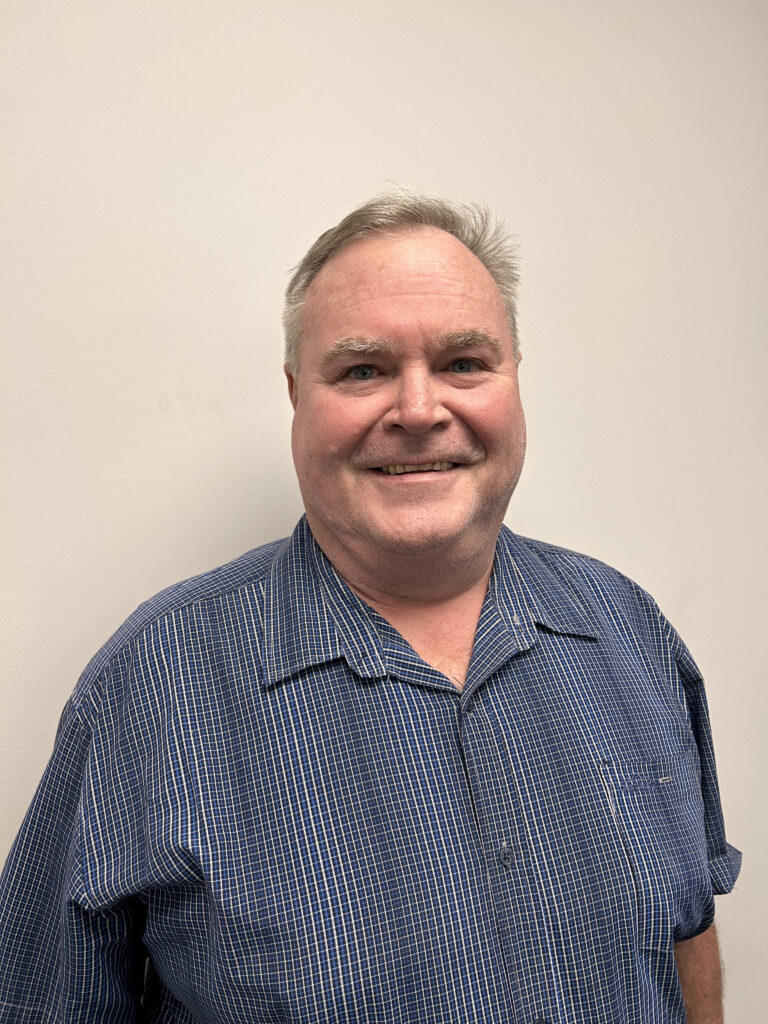
By Mark Pretorius
Risk in manufacturing usually only becomes visible once everything is already running. A contract is signed, production settles, and things feel stable until something shifts in the background. Ownership changes, priorities move, or a supply chain that once worked reliably starts to strain. When that happens, the question is whether production can continue without disruption or whether the business ends up having to explain delays.
The coolant market in South Africa generated USD121.7 million in revenue in 2024 and is projected to reach USD161.9 million in revenue by 2030. This 33% growth over six years underscores why business continuity has become mission-critical: as market expansion strains supplier capacity, procurement teams need credible backups to avoid production halts in high-stakes sectors.
Business continuity is moving from a box-ticking exercise to a commercial advantage. More procurement and operations teams are looking for a safety net, not just a supplier. They want assurance that if one production partner has an issue, there is a credible second option ready to step in and keep volumes moving.
What makes this especially relevant now is that large lubricant organisations are actively reassessing supplier risk. When leadership structures shift and procurement strategies are reviewed, continuity of production becomes a board-level concern. In that environment, manufacturers that can demonstrate readiness, capacity, and audited quality systems are better positioned to move from a secondary option to a preferred solution.
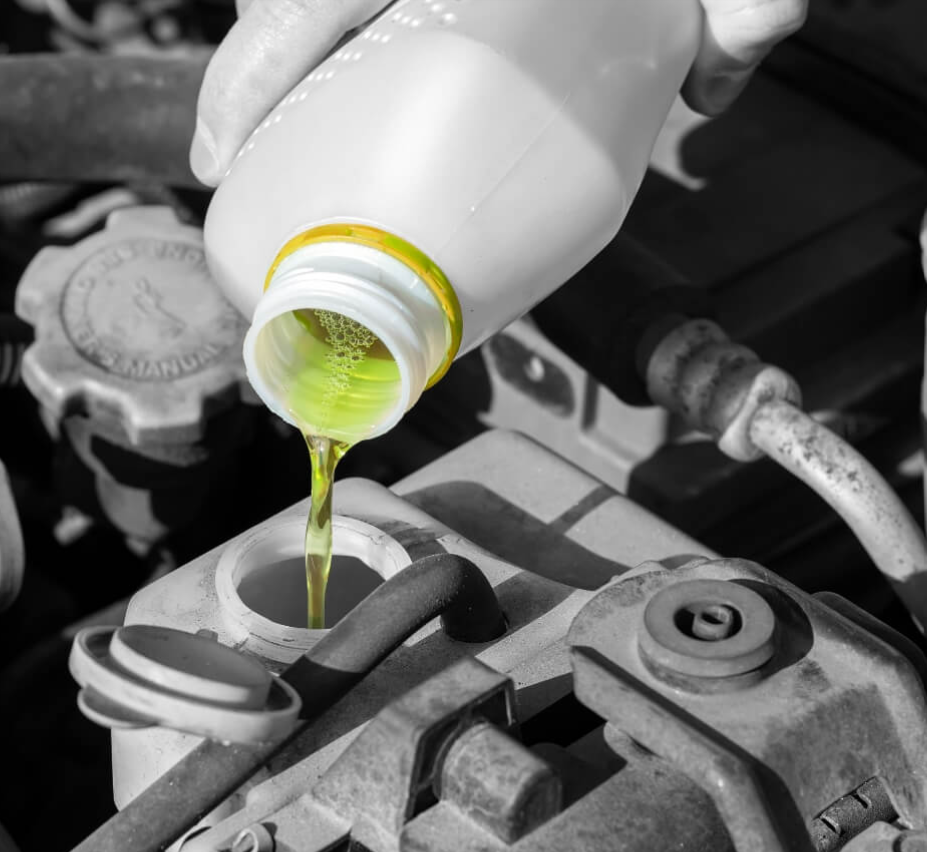
In private-label coolant production, this matters because the job is not only about blending the product. It is also about reducing the operational burden on the customer. The best arrangement is a ‘full buyout’ model in which the manufacturer takes responsibility for sourcing raw materials, holding stock, blending product, and delivering finished goods. The customer is not dragged into the supply chain for ingredients or packaging inputs, nor is it required to work around international purchasing complexity. They get a finished product and the peace of mind that comes with it.
It starts with stockholding. Many companies want to reduce inventory because it ties up cash. At the same time, the last few years have proved that when supply chains break, stock becomes survival. A private-label manufacturer that can hold the right raw materials and do so on terms that suit the customer becomes more than a producer. They become a buffer. Some customers may require a specific regime, such as holding several months of raw materials or a blend of raw materials and finished product. The ability to flex around those requirements is the point.

It also requires operational readiness. If additional volumes come on stream, the goal is to absorb them without significant disruption or new capital cost. In practice, that can mean taking on significant annual volume within existing capacity, provided the plant is structured to handle it.
Then there is the supply chain simplification. In private label environments, customers often want the manufacturer to procure on their behalf, hold the relevant inputs, and remove friction. Even when that means paying a premium for the service, the trade-off is fewer internal headaches, less coordination overhead, and clearer accountability.
Business continuity is a decision. Do you want to be dependent on a single point of failure, or do you want a second option that can protect your production and your reputation when disruption hits?
Mark Pretorius is Managing Director at Lubrichem. The company is a proudly South African company with over three decades of experience in the automotive and industrial lubricants and coolants sector.