
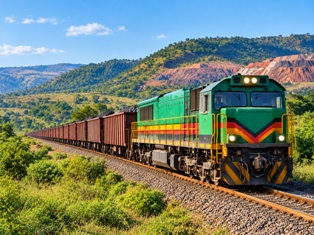

While road transport serves its purpose, rail is generally regarded as the more affordable option for transporting bulk goods between countries. But this advantage counts for little to nothing if ageing infrastructure and unreliable locomotives prevent operators from meeting demand.
Currently, there is a lot of excitement (or hype) across the continent about the pivotal role of the rail sector in facilitating economic integration under the African Continental Free Trade Area (AfCFTA).
One can understand why rail sector stakeholders are eager to see the anticipated outcomes. However, in their enthusiasm, it is easy to overlook the process.
First things first.
In many countries, rail infrastructure is in dire need of repair, and a large part of the locomotive fleet is overdue for maintenance.
Apparently, worse still, some ageing locomotives may need more than predictive or condition-based maintenance. Their condition may necessitate comprehensive refurbishment to extend their service life.
This should be considered before committing to the procurement of new fleets.
The fact is: even new locomotives would require a sound maintenance strategy, including predictive maintenance where appropriate. Otherwise, similar downtime challenges could arise if maintenance is neglected.

There is also another reality for freight operators across the continent: most have relatively small fleets. Due to this, the challenge they face is whether to prioritise commercial pressures over the urgent need for maintenance. Thus, maintaining this delicate balance is vital.
Undoubtedly, rail operators may need to invest in appropriate maintenance solutions to ensure their fleets are reliable and available to meet the demands of customers across industries.

While road transport serves its purpose, rail is generally regarded as the more affordable option for transporting bulk goods between countries. But this advantage counts for little to nothing if ageing infrastructure and unreliable locomotives prevent operators from meeting demand.
The message is clear: Fix the old fleet before buying new. Fleet downtime caused by poor maintenance or a lack of maintenance cannot be addressed simply by adding new locomotives.