
For years, African power utilities have been struggling with the chronic problem of blackouts. Seven times out of ten, these blackouts are caused by transformer failures, whose root cause is a reactive approach to maintenance.
In response, Reinhausen South Africa demonstrates that shifting to proactive, data-driven maintenance – including comprehensive monitoring and targeted interventions – can extend asset life, improve grid reliability, and reduce operational costs.
By Jimmy Swira
If you live in sub-Saharan Africa, the Southern part of it in particular, the term ‘loadshedding’ has become an acceptable euphemism for blackouts. Conveniently, PR departments of power utilities employ it to lighten the burden of blackouts on the end-user – to soften the blow, so to speak.
Nevertheless, if you are a punctual consumer who needs a reliable supply of power, the term doesn’t make the situation any better. It doesn’t fix a half-fried egg in the pan.
It is far worse for energy-intensive mining companies, whose operations from mine to mill are heavily impacted. It has a domino effect: the downtime leads to loss of productivity, which translates into reduced revenue, with a significant impact on the bottom line.
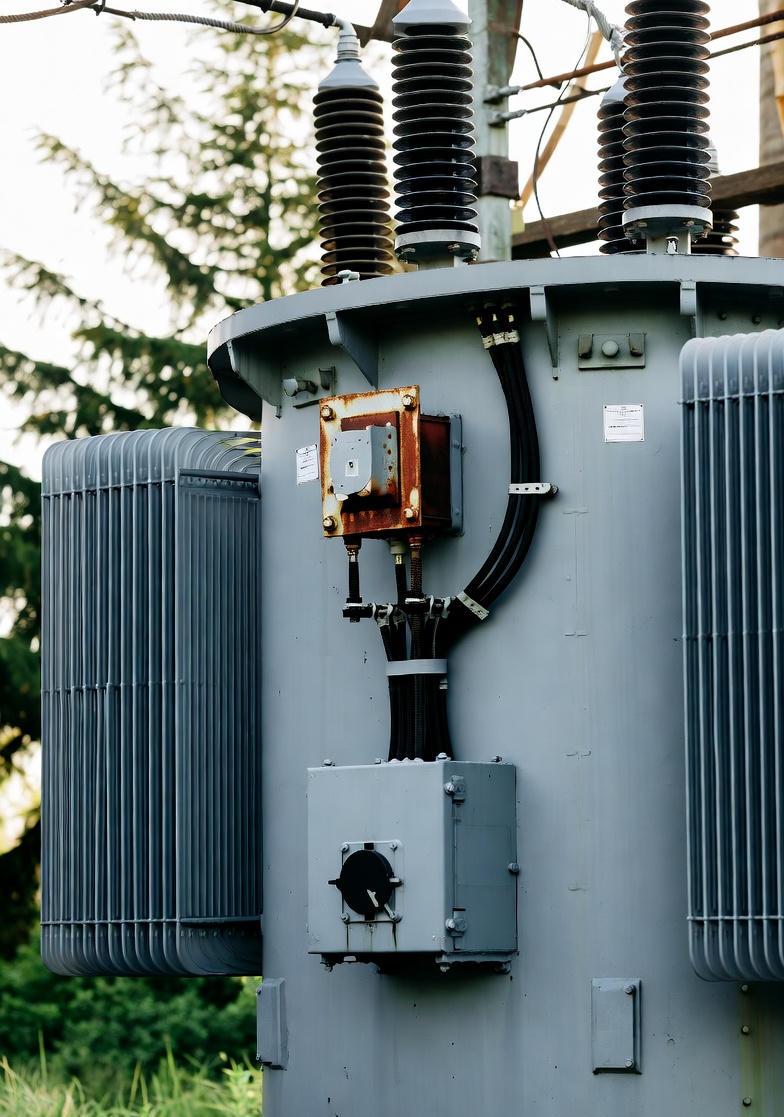
In seven cases out of ten, the chronic blackouts would be due to transformer failures in substations.
Now, the burning question is: so, why can’t utilities get it right once and for all?

Reinhausen South Africa could have an answer to that, based on extensive project experience in the region consulting for utilities and companies in other sectors. In the course of working on projects, the multinational company has been observing trends and has accumulated a dossier of information.
Reactive approach to transformer monitoring
Kobus Villiers, the company’s General Manager, is not entirely surprised by the prevalence of transformer failures. He attributes the root cause of this chronic problem to the reactive approach to transformer monitoring – in other words, doing maintenance the same old way and somewhat expecting to have reliable transformers.

Villiers says: “We do find that some utilities carry out unnecessary maintenance without data on the real condition of their equipment gathered from constant monitoring. They rely mostly on time-based maintenance, which can be too early or too late.”
Why the reactive approach?
In many cases, African utilities’ approach to maintenance tends to be reactive – special budgets are not allocated to condition monitoring, explains Villiers. As a result, they only realise the benefit of proactive monitoring after facing critical failure. Moreover, skills and knowledge about available solutions for monitoring are often introduced too late. By that time, significant damage to assets would have occurred.
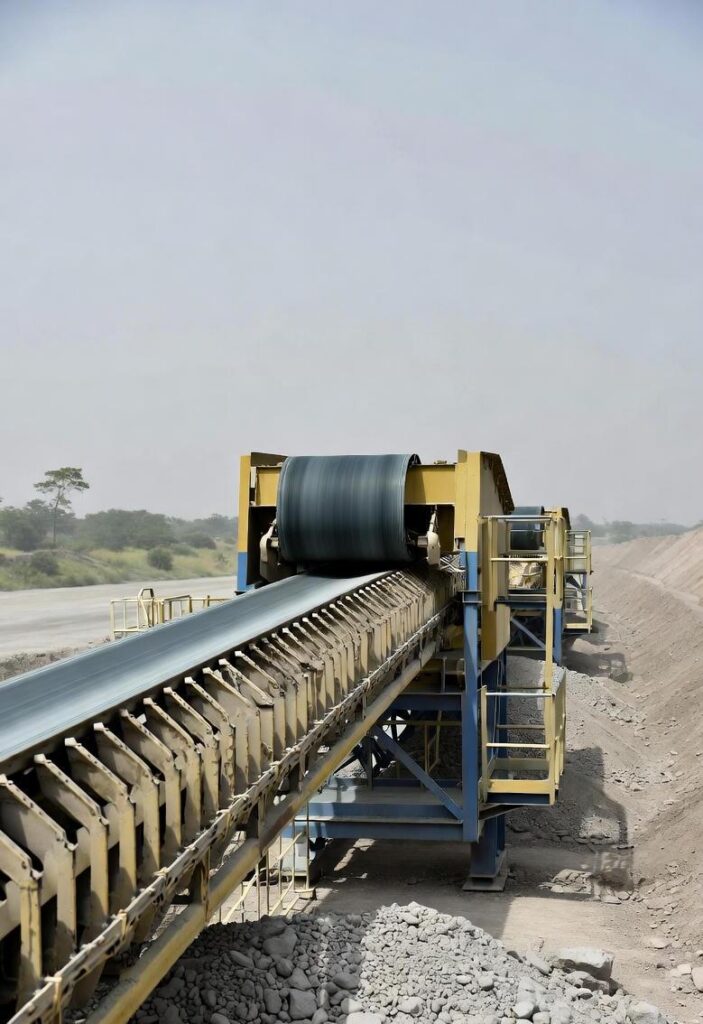
Blackouts can cause downtime to conveyors, which can result in a significant revenue loss at a mine
Comprehensive transformer monitoring
The alternative approach to addressing the problem is comprehensive transformer monitoring, Villiers suggests, outlining the meticulous steps critical in implementation in the area that Reinhausen carries out.
i. Investigation
The first step is that, on already installed assets, the main condition-threatening problems must be remedied, Villiers points out. “Firstly, it is important to determine the remaining life of the asset before spending a huge amount on monitoring equipment.”
For transformers which have been in service for a number of years, it is important to carry out a comprehensive investigation to establish the expected remaining life of the transformer. Furthermore, this identifies possible risks on the transformer which must be addressed before carrying out any monitoring.
Typically, the investigation consists of:
• HV and LV Electrical tests
• 15-point oil analysis (looking at short, medium and long-term risks)
• Paper analysis
• Physical inspection of all devices and components on the transformer as well as its general condition, tank and parts. This may include an internal inspection.
From the above information, a risk and age profile is drawn up for the transformer. If any risk is identified, an appropriate solution is recommended.
ii. Fitment of condition monitoring devices
Once the investigation is complete, the next step is the fitment of the following condition monitoring devices:
• On-line DGA 9 gas analyser
• Bushing monitoring system
• Partial discharge monitoring system
• Temperature monitoring (winding and oil)
• Oil level indicators
• Tap changer monitoring system
All the monitoring devices above get integrated into Reinhausen’s ETOS (Embedded Transformer Operating System) and visualised in a control room where all the devices, parameters, alarms, etc., are set up and monitored 24/7, seven days a week.
Reinhausen’s other asset performance solutions – TESSA® Asset Performance Management Suite (TESSA APM) and MSENSE® – complement ETOS.
1. TESSA® APM
TESSA® APM, a cloud-native solution, provides:
• AI-enabled asset management for transformers and switchgear.
• Unified visibility across entire substation assets.
• Predictive maintenance capabilities.
• Standardised reporting for investment and maintenance planning.
• It helps utilities manage ageing infrastructure and increasing loads with proactive strategies.
2. MSENSE® – Intelligent Sensor Systems
MR’s MSENSE® product line includes specialised sensors for:
• Bushing Monitoring (MSENSE® BM): Detects insulation degradation and faults early.
• Temperature Monitoring: Tracks winding and oil temperatures to prevent overheating.
• Partial Discharge Monitoring: Identifies insulation issues before failure.
• OLTC Monitoring: Ensures safe and efficient tap-changer operation.
• These sensors integrate seamlessly with ETOS® for a complete monitoring solution.
Afterwards, once everything is in place, the utility can then perform targeted maintenance interventions based on the actual condition of each transformer rather than relying on fixed time intervals. Sophisticated tools such as online oil analysis (DGA), thermal imaging, and load analysis provide detailed insights into transformer health and potential degradation.
Immense benefits
By and large, a comprehensive monitoring approach brings the following immense benefits:
a. Improved asset lifespan
Proactive maintenance, through condition monitoring, can significantly extend the lifespan of transformers. This reduces the need for premature replacements.
b. Grid stability and reliability
Reliable transformers are essential for maintaining a stable power grid. Regular condition monitoring contributes to overall system reliability, minimising disruptions and ensuring continuity of service.
c. Environmental impact
Avoiding unplanned outages due to transformer failures reduces the associated carbon emissions and other environmental consequences.
d. Financial benefits
The financial benefits of condition monitoring include reduced maintenance costs and outage losses, and increased asset lifespan.
e. Industry best practice
Condition monitoring is a standard practice in many developed power systems. Its adoption by African utilities would bring them in line with global standards.
Generally, by effectively communicating the abovementioned points, Reinhausen South Africa can help African power utilities appreciate the critical role of comprehensive condition monitoring in meeting three objectives: optimising transformer management, promoting long-term reliability, and minimising costs.
Villiers affirms that Reinhausen is ready to provide its know-how to address the problem of transformer downtime: “We can offer our expertise and support in implementing and interpreting condition monitoring programs for African power utilities. Our firm belief is that only targeted maintenance of transformers can help in keeping blackout at bay.”