
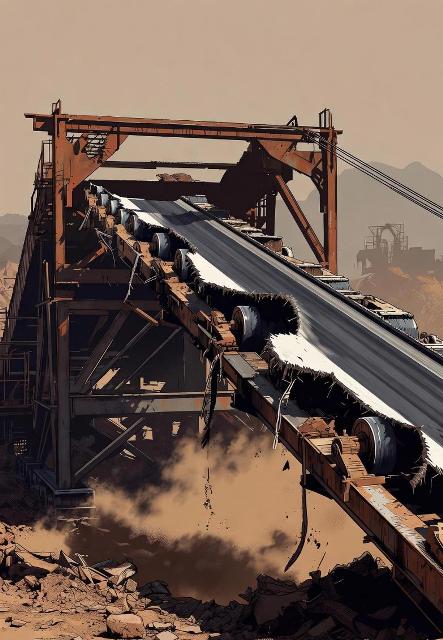

It is hard to imagine a platinum mine experiencing the following incidents five days after a scheduled shutdown: a loose bolt on a conveyor belt failing, or a winder rope snapping after taking off. What could this say about the competence – or incompetence – of the team who were assigned the task of performing maintenance?
These steps are vital to prevent such incidents:
- Verify Credentials and Proclaimed OEM Approval
Always confirm certification, professed membership of recognised bodies, or claimed OEM endorsement.
If the contractor operates as an international franchise, don’t assume brand reputation guarantees competence (more on this below). Heard of name-dropping? Sometimes a contractor with a less glamorous, difficult-to-pronounce local name could outperform a flashy brand. “Hollywood Drive Masters” may not be as accomplished as “Abdulsaalam Drive Doctors.” Yes, the name matters less than the skills.

- Check Experience and Track Record
Look for proven experience on similar equipment and ask for traceable references. Nine times out of ten, a prospective contractor’s past performance is your best predictor of future reliability. Otherwise, don’t gamble with your money.
- Assess Technical Competence
In the age of AI, businesses have become adept at self-promotion. This makes it hard to tell charlatans from champions of excellence.
And so, avoid self-proclaimed “jacks of all trades” because – no need to bet your bottom dollar – they usually turn out to be masters of none, and you will pay the heavy price.
This can’t be emphasised enough: verify their skills, tools, and ability to handle your specific machinery.
- Beware the “It’s in a third-world country anyway, who cares?” Mindset
Some contractors may cut corners in markets with less oversight, such as in developing countries. Insist on safety, quality, and compliance standards because “it’s a third-world country anyway, who cares?” is never an acceptable excuse.
- Watch Out for ‘Subcontracting’ Contractors
Confirm who will actually perform the work. Some contractors, lacking in-house proficiency, outsource to under-resourced third parties. This may work, but the job may arrive late at best or look like a DIY disaster at worst.
The long and short of it is that unverified subcontractors reduce accountability and quality.
- Compare Costs vs Value, Not Just Price
Cheap can be expensive in disguise: in most cases, this surfaces when it’s too late to remedy. A shoddy maintenance job may result in persistent faults and higher repair costs.
Focus on reliability, quality, and long-term value rather than just the bargain-basement price.
- Review Contracts, Responsiveness, and Insurance
“Read the fine print” isn’t a cliché: it’s a basic principle of prudence.
What should one do?
i. Check Service Level Agreements (SLAs), warranties, response times, and liability coverage.
ii. Keep a shortlist of trusted, pre-vetted contractors ready for deployment so you are never caught scrambling when the machinery breaks.