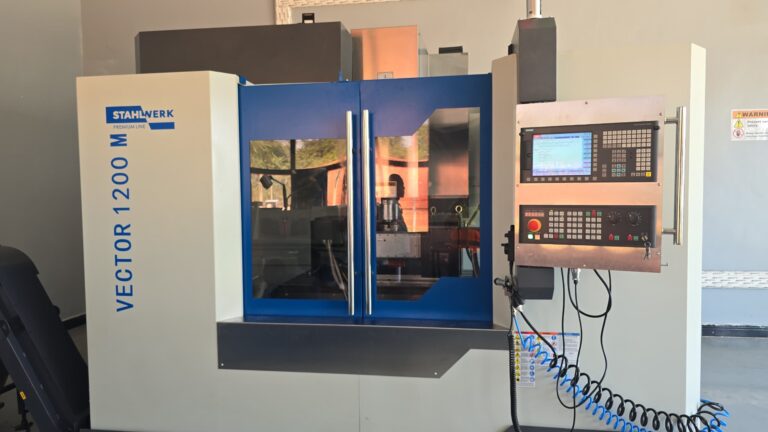

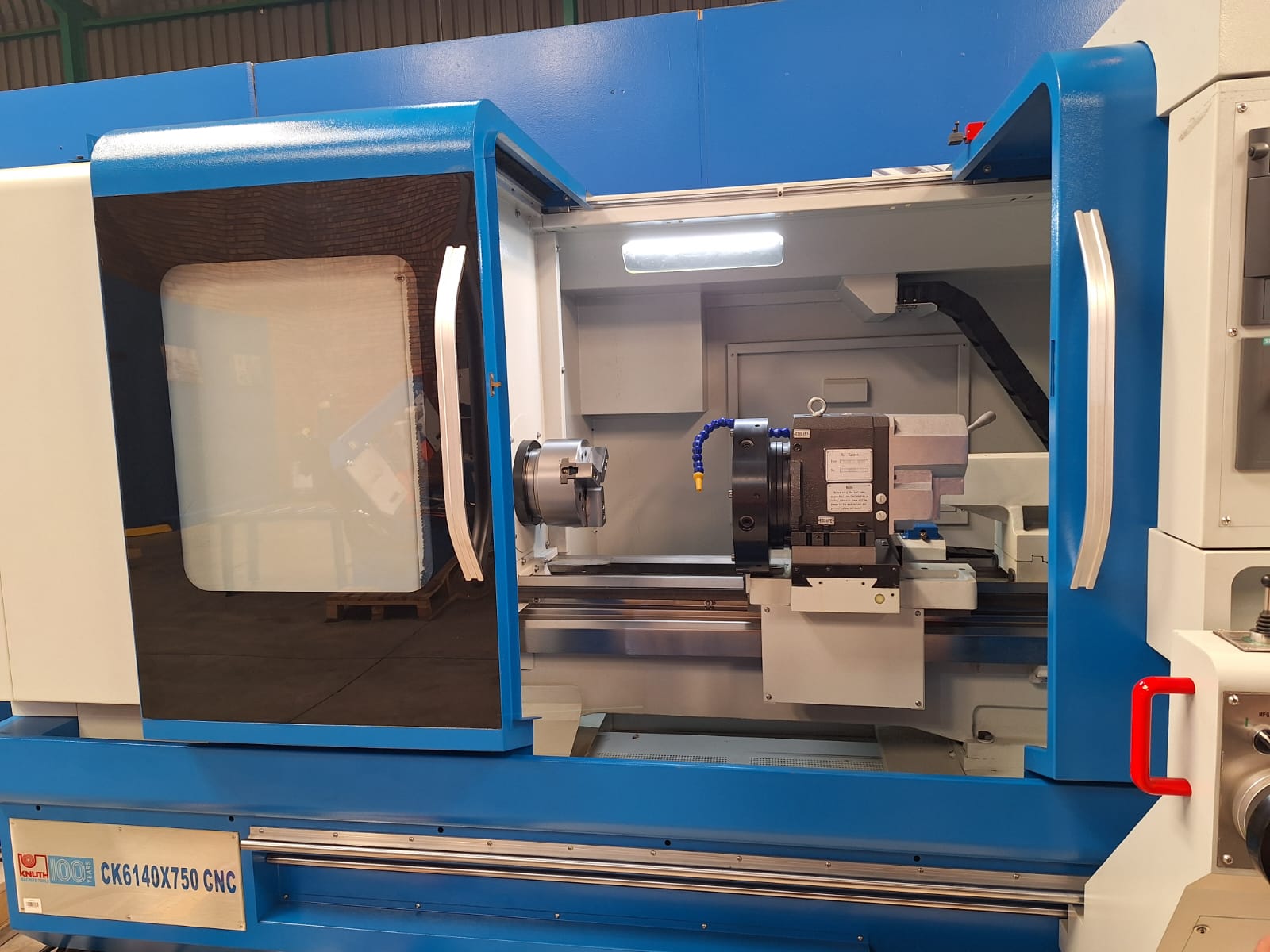

In the maintenance of CNC flat-bed lathe machines, anomalies reveal themselves gradually. Sometimes these may go unnoticed, and this should concern production teams in component manufacturing companies.
In view of this, the Technical Sales Lead at KNUTH Machine Tools (KNUTH SA Pty Ltd) states that the surefire way of mitigating failure is to devise a proactive inspection and maintenance plan and implement it meticulously.
By Jimmy Swira
Sometimes, in a quest to deliver orders for clients, component manufacturers may be tempted to defer inspection and maintenance schedules for their CNC flat-bed lathe machines. Of course, this approach may work out for some time. However, what production teams may overlook is the possibility of failure occurring, halting production, and frustrated clients taking business to competitors.
“Disruptive or poorly timed maintenance on flat-bed lathe machines can mean the difference between reliability and failure – and ultimately, between profit and loss,” says James Fourie, Technical Sales Team Lead at KNUTH Machine Tools (KNUTH SA Pty Ltd).
Costly oversights
As part of the KNUTH team, Fourie laments how oversights in basic maintenance cost component manufacturers significant production losses. In most cases, unbeknownst to production teams, by deferring predictive maintenance programmes, they miss the opportunity to identify anomalies early (that signify impending failure) and take remedial action timeously. With time, unavoidably, the problems escalate and cause downtime, necessitating significant repairs and unplanned component replacement.
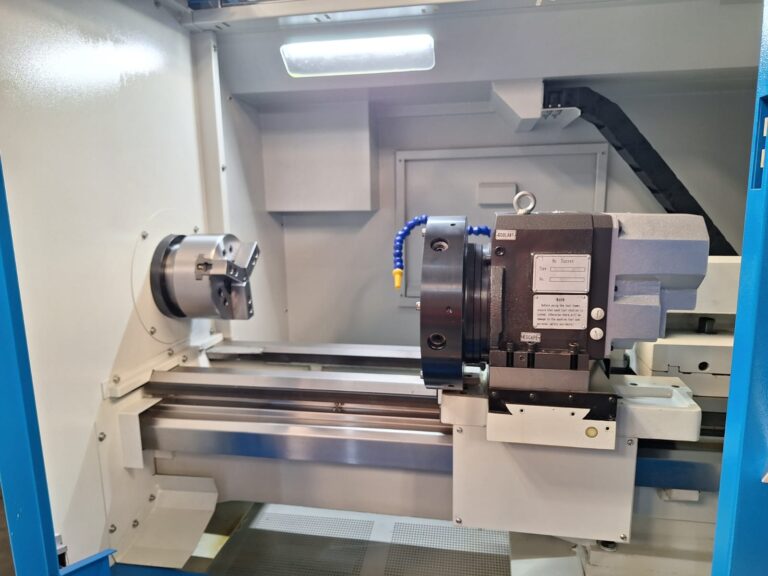
Signs of impending failure
Usually, Fourie points out, key signs of impending failure in a CNC flat-bed lathe often reveal themselves gradually in the following unique ways:
-
Abnormal noise
Excessive or abnormal noise during normal operation – such as grinding, knocking, or whining sounds – may indicate wear in bearings, gears, or drive components.
-
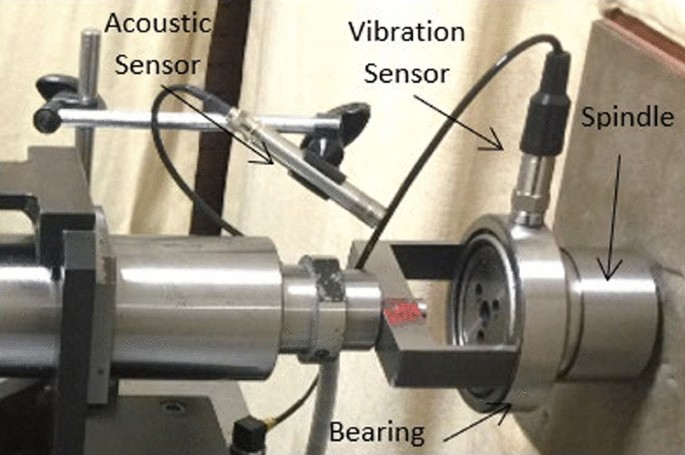
Excessive vibration
Unusual or excessive vibration, whether during cutting or axis movement, is another red flag. This can point to issues with spindle balance, worn guideways, or misalignment.
-
Jerky machine movements
Operators may notice that machine movements become jerky rather than smooth, suggesting problems with servo drives, ball screws, or lubrication systems.
-
Accuracy-related issues
Accuracy related issues are equally telling. These include, but are not limited to:
• Excessive backlash, difficulty holding tolerances.
• The need to constantly adjust offsets to maintain part sizes often signals wear in mechanical components such as ball screws, couplings, or linear guides.
• A decline in surface finish quality, even when correct tooling, cutting parameters, and settings are used, can further indicate spindle wear, axis instability, or loss of rigidity.
-
Recurring overload alarms on spindles
Recurring overload alarms on specific axes or the spindle should not be ignored. These typically indicate increased mechanical resistance or failing drive components.
-
Excessive heat around motors
Finally, if you notice there is excessive heat around motors, spindle housings, or bearings, you should be worried. It is a critical warning sign.
Addressing problems promptly
These symptoms cannot be wished away -they must be addressed promptly,” advises Fourie, posing a key question: “Which is better: the short-term gain of delivering a big order at the expense of plant reliability, or addressing anomalies urgently to boost reliability, availability, and ensure orders are delivered diligently? The answer becomes clear when you consider the long-term impact.”
He adds: “The long and short of it is: Don’t ignore warning signs of flat-bed CNC lathe failure.”
Mindset change
Advocating for a mindset change, Fourie urges manufacturers to embrace proactive inspection and maintenance. This approach would enable them to identify anomalies and take appropriate action before anomalies escalate into a crisis, he states.
Fourie and the team at KNUTH South Africa assist companies with planning and implementation of suitable maintenance programmes to ensure machine reliability.
In the next article, James Fourie will share with Machinery Maintenance Matters about Mitigating Bearing-Related Failures in Flat-Bed Lathes.