

Gastops’ MetalSCAN oil-debris monitoring technology could provide another condition-monitoring option for South African wind-farm operators.
Recently, Gastops renewed its long-term supply agreement with Vestas Wind Systems A/S for MetalSCAN oil-debris monitoring technology. Announced at WindEnergy Hamburg 2026, the agreement extends the companies’ existing collaboration, with Gastops continuing to supply MetalSCAN for Vestas turbine platforms from 1 January 2027.
Gastops says more than 50,000 MetalSCAN sensors have been delivered globally for applications across the energy, marine, aerospace and industrial sectors.
Wind turbines operate under changing loads and environmental conditions, placing considerable demands on drivetrain components such as gearboxes and bearings. When these components develop problems, repairs can require specialist personnel, replacement parts, lifting equipment and extended downtime.
For wind-farm operators, the practical challenge is identifying deterioration early enough to investigate it and, where necessary, schedule the work before a component fails.
A German example
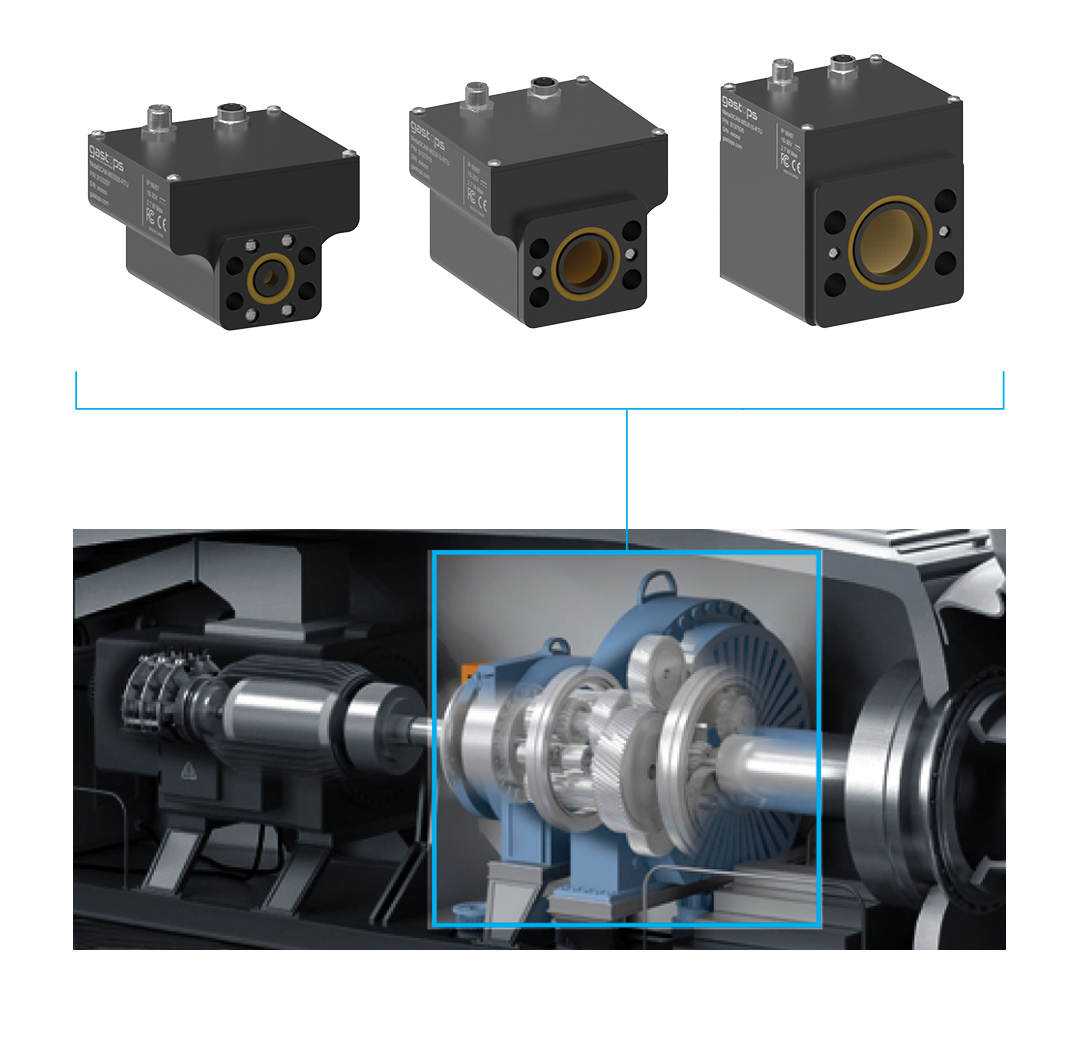
Gastops‘ MetalSCAN oil-debris monitoring technology provides online monitoring of metallic particles in lubricating oil. The particles can indicate wear occurring inside lubricated components, including gearboxes and bearings.
Gastops says more than 50,000 MetalSCAN sensors have been delivered globally for applications across the energy, marine, aerospace and industrial sectors.
Recently, Gastops renewed its long-term supply agreement with Vestas Wind Systems A/S for its MetalSCAN oil-debris monitoring technology. Announced at WindEnergy Hamburg 2026, the agreement extends the companies’ existing collaboration, with Gastops continuing to supply MetalSCAN for Vestas turbine platforms from 1 January 2027.

The Vestas agreement provides a practical example of an OEM incorporating continuous wear monitoring into its approach to turbine maintenance.
What it means for South African wind farms?
For South African wind farms, the potential application is straightforward: monitor critical lubricated components continuously and use the results alongside information already being collected from the turbine.

A gearbox showing an unusual increase in metallic debris, for example, could trigger closer analysis of its vibration levels, temperature, SCADA trends and oil-analysis results. Maintenance personnel could then determine whether the change represents normal operating variation or warrants an inspection.
This could be particularly useful where access to turbines is difficult or where a major drivetrain repair would require significant logistical preparation.
The technology would therefore sit within an existing maintenance system rather than operate as a standalone solution.
Complementing existing condition monitoring
Oil-debris monitoring is not a replacement for established condition-monitoring methods used by wind-farm operators.
Vibration analysis can identify changes in rotating components, SCADA data can reveal changes in operating behaviour, while oil analysis can provide information on lubricant condition and contamination. Physical inspections remain important when equipment requires confirmation.
Oil-debris monitoring adds another measurement: evidence of metallic wear being generated inside the lubricated system.
For South Africa’s wind fleet, that additional information could be useful where the cost and consequences of drivetrain failure are significant.