
It is one thing to have a relevant wind turbine Operations and Maintenance (O&M) strategy, and quite another to have the right resources to implement it effectively. The latter can be a major hindrance to wind turbine reliability and availability.
This is what Mamoso May, SAWEA’s Asset Management Standing Committee Chairperson, has observed based on documented challenges faced by wind turbine owners in South Africa. She is Executive Director at Artemis Group Holdings (Pty) Ltd, a South African leader and specialist in renewable energy, financial management, and business improvement.
Biggest challenges
May identifies three major challenges.
The first is access to skills, parts and specialist support. Wind turbine maintenance requires mechanical, electrical, controls, blade, high-voltage and, in some cases, highly specialised engineering capabilities. In addition, the correct tooling, software access, technical documentation and, for certain interventions, lifting equipment are required.
The second issue is perhaps less technical but just as important: short-term cost pressure.

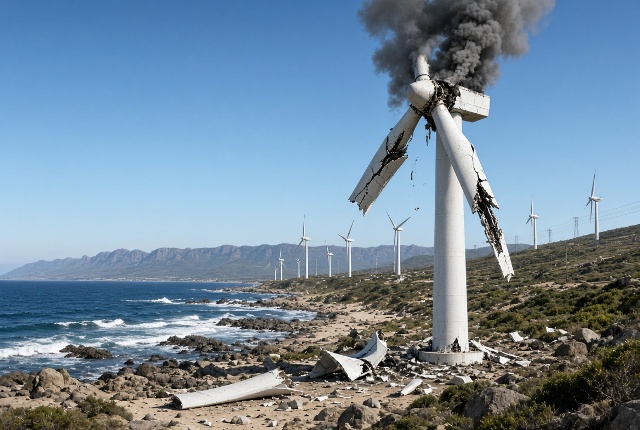
“Ostensibly, maintenance is an easy place to save money today and an expensive place to discover the consequences tomorrow. You can postpone a blade repair, ignore a small leak or keep resetting a recurring alarm. The turbine may continue operating for a while. But eventually those decisions catch up with the asset, and the intervention is normally more expensive by then,” explains May.
Poor information is another problem. This can happen when service records are incomplete, condition-monitoring equipment has been offline for months, or nobody is properly analysing recurring alarms. The team then loses the ability to identify deterioration as it develops.

Addressing the challenges
To address these challenges, the starting point is for owners to know their assets better, May advises. This also applies when a reputable OEM carries out the maintenance, she adds.
“The owner should still have a clear view of turbine condition, failure history, recurring issues and the risks sitting within the fleet. You cannot manage an asset properly if all the technical knowledge sits somewhere else.”
Making better use of information
Having the right information is not enough. Also, it needs to be used effectively.
SCADA data, vibration monitoring, oil analysis, borescope inspections, blade inspections and electrical testing all give different pieces of the picture. The value comes from putting those pieces together.
For maintenance teams, this means using information from different monitoring and inspection activities to build a clearer picture of asset condition. The information can help identify developing problems before they result in unplanned downtime.
Spares
Spares also need to be considered differently, May points out.
“The cheapest inventory strategy is not always the cheapest operating strategy. If holding a R2 million component prevents R10 million of lost production, then the economics of the decision changes.”
Fundamentally, the issue is not simply how much a component costs to hold in inventory. Its criticality, lead time and potential impact on production also need to be considered.
A stronger independent technical service sector
While the role of OEMs remains critical, South Africa needs a stronger independent technical service sector to complement them. This is not about replacing OEM capability. It is about building a deeper South African ecosystem so that owners can access the right capability across the full operating life of an asset.
There are areas where the engineering knowledge, software access and product expertise of OEMs are essential. But as the South African wind fleet grows and ages, owners need more options, May suggests.
“The country needs capable local companies that can inspect, diagnose, repair and maintain these assets to a high standard. It creates resilience in the industry and reduces the extent to which every specialist intervention has to be sourced internationally.”
Ultimately, concludes May, effective maintenance comes down to understanding the condition, identifying the failures that carry the greatest consequences and acting early enough to protect production and asset value.
“Good maintenance really comes down to knowing the condition of the machine, understanding what is most likely to hurt you next, and doing something about it before it becomes an expensive failure.
“That is when maintenance stops being something you do because the manual says it is due and starts becoming proper asset management.”