
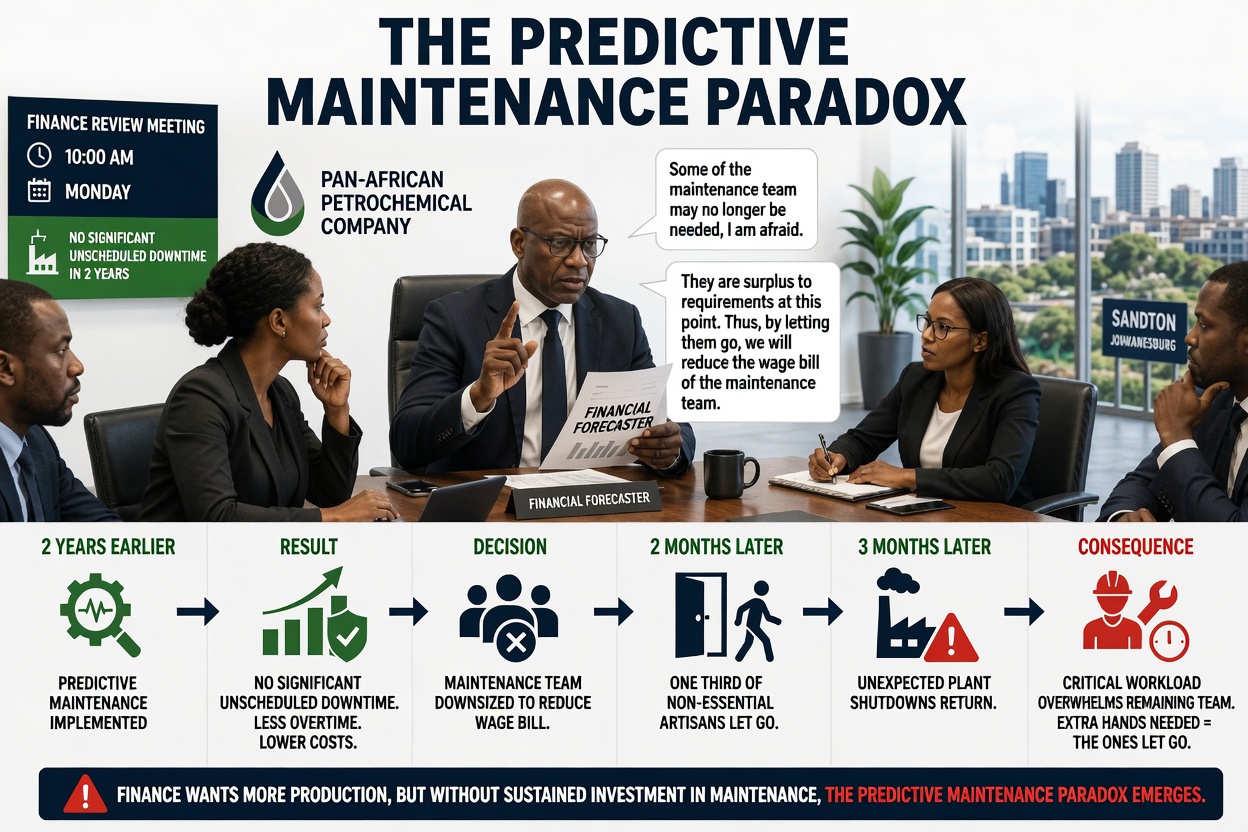

“We have not been experiencing significant breakdowns since adopting the predictive maintenanceapproach two years ago. As a result, we are reducing the maintenance budget.”
Heavy industries need fasteners to enhance the stability of their mission-critical machinery for safe and efficient operations. Hence, they should source products that are better suited to high-performance applications.

Stressing the importance of prudence in procurement, RS South Africa Sales Director Erick Wessels tells Machinery Maintenance Matters about critical aspects in product selection.
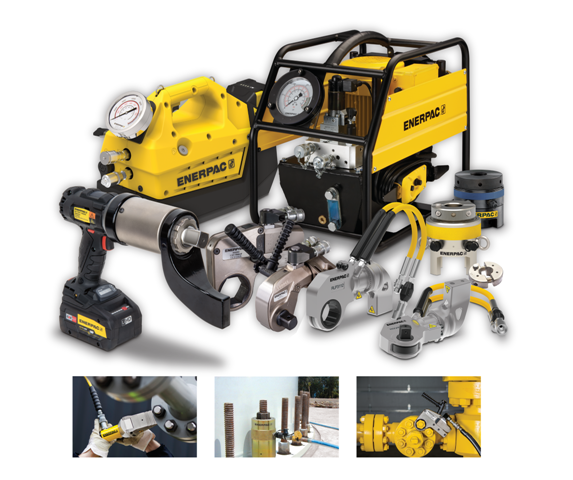
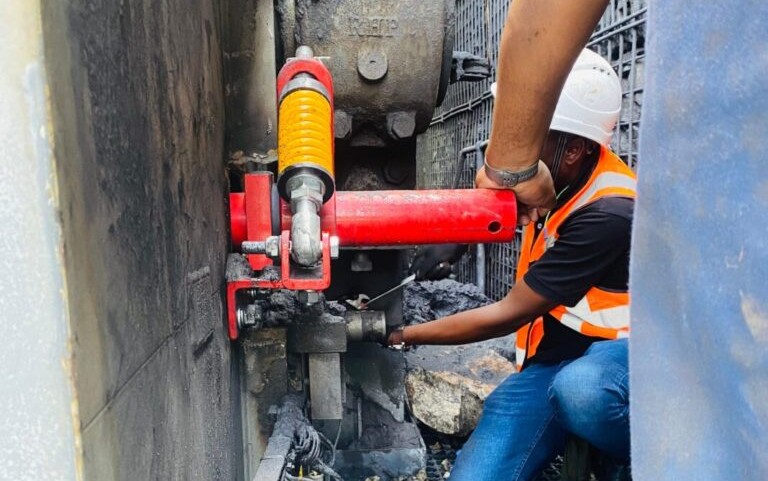
In industrial operations, hydraulic torque wrench performance is more than just the track record of the tool brand itself. In fact, it is the sum of key elements in torquing.
Kiloton South Africa demonstrates how correct tool selection, calibration, operator competence, and sound preventative maintenance practices contribute to safer, more reliable bolting performance across high-risk industrial applications.
Service Level Agreements Shift Conveyor Maintenance Beyond Breakdown Response
Structured service level agreements (SLAs) are helping mines move away from reactive conveyor maintenance by introducing scheduled inspections, continuous monitoring and proactive interventions that improve reliability and reduce costly downtime. Tru-Trac highlights that this approach not only prevents major breakdowns caused by issues like belt misalignment and carry-back but also improves plant availability, with one DRC operation increasing uptime from 65% to over 90%.
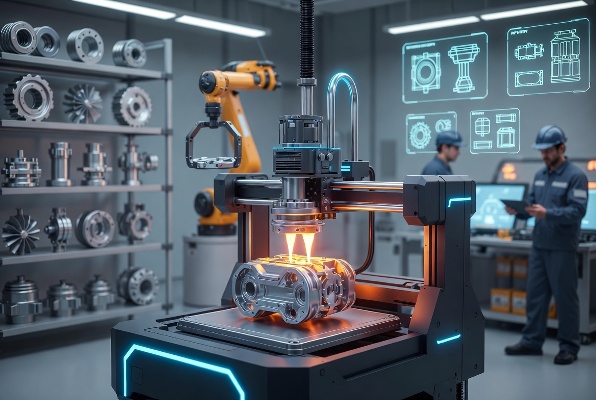
Potential of 3D Printing in Spare Parts Manufacturing
In the last decade, three-dimensional printing (3DP) has grown enormously and is now utilised in the medical, automotive, and aerospace industries, to name a few. Its rapid prototyping and rapid manufacturing can address the challenge of supply chain disruptions that affect the availability of equipment spare parts in the mining sector.
Zinc Key to Wire Rope Life, Reliability in Africa’s Harshest Environments
Zinc coatings are the unsung heroes of infrastructure resilience. Whether it is Galfan resisting mine conditions or galvanized zinc shielding harbour cranes from sea salt, zinc does not just stop rust, it delivers reliability, safety, and long-term performance.
Safeguarding Conveyor Performance Through Proactive Assessment and Maintenance
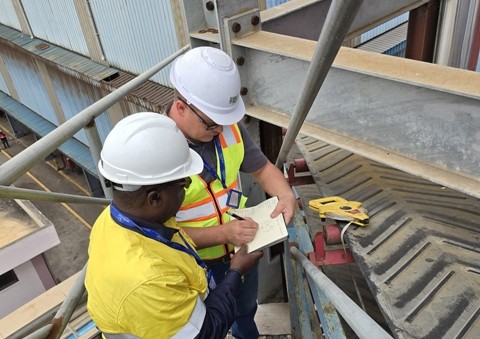
Even with the correct solution specified and expertly installed, conveyor performance cannot be taken for granted. Weekly routine inspections and preventative maintenance are essential to identify and rectify minor issues before they escalate, ensuring the conveyor system continues to operate efficiently.
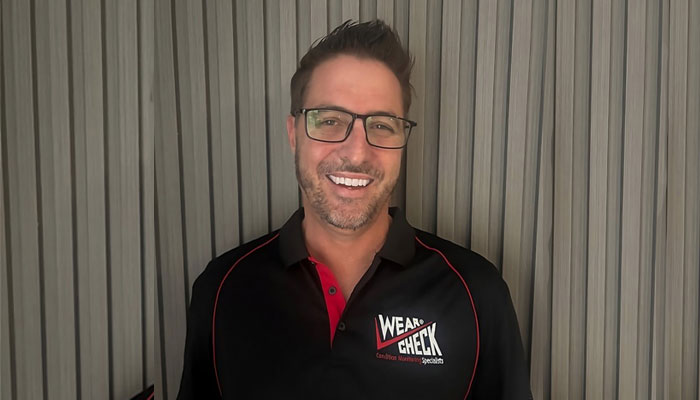
A bearing, gearbox, hydraulic system or mobile asset may appear mechanically sound, but poor lubrication practices can quietly accelerate wear, contamination and unplanned failure.
That’s why WearCheck’s Lubrigard addresses this challenge, helping customers keep lubricants clean, dry and effective for longer, reducing unnecessary oil changes, waste-oil disposal and avoidable maintenance costs.
Replacement of broken or worn-out pumps need not always be the best course of action. Rather, a properly executed OEM repair can deliver the same performance at a lower cost and in less time. This is provides a good balance between costs and availability
How Utilities are Modernising Grid Infrastructure With Digital Substations
By digitising current and voltage signals and transmitting them via optical fibres, digital substations significantly reduce the risks associated with handling high-voltage circuits…
Fluke Brings Voice-Enabled AI to Maintenance Workflows
Voice is a central feature of the new AI capabilities introduced in Fluke Corporation’s eMaint CMMS/EAM platform.The system now enables technicians to generate work requests directly from voice messages, allowing maintenance issues to be captured instantly while working in the field. These spoken inputs are automatically converted into structured work orders, reducing manual entry and ensuring that problems are recorded accurately in real time.
This hands-free functionality is particularly useful in industrial environments where technicians often work in physically demanding or equipment-heavy conditions and may not be able to stop and type.